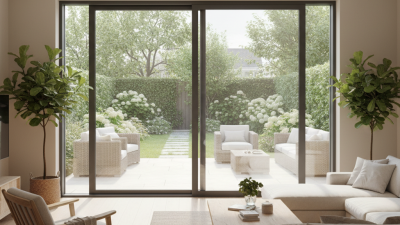
2026 Top Windows and Sliding Glass Doors Trends for Buyers?
As we approach 2026, trends in windows and sliding glass doors are evolving rapidly. Recent industry reports indicate a significant shift toward energy efficiency, with over 60% of consumers prioritizing eco-friendly options. The demand for modern aesthetics is undeniable, influencing many buyers to seek sleek designs that enhance their home's appeal.
The market for windows and sliding glass doors is also seeing technological advancements. According to a 2023 analysis by the American Window and Door Association, smart home integration is becoming more commonplace, with features like automated shades and energy monitoring systems. This innovation not only boosts convenience but also supports energy-saving initiatives.
However, despite these advancements, buyers must remain cautious. Not all products advertise their efficiency accurately. Research shows that up to 30% of advertised claims lack transparency. As homeowners explore their options, understanding the balance between style and substance is crucial. Investing in high-quality windows and sliding glass doors can lead to long-term benefits, but informed choices are essential in this evolving market.
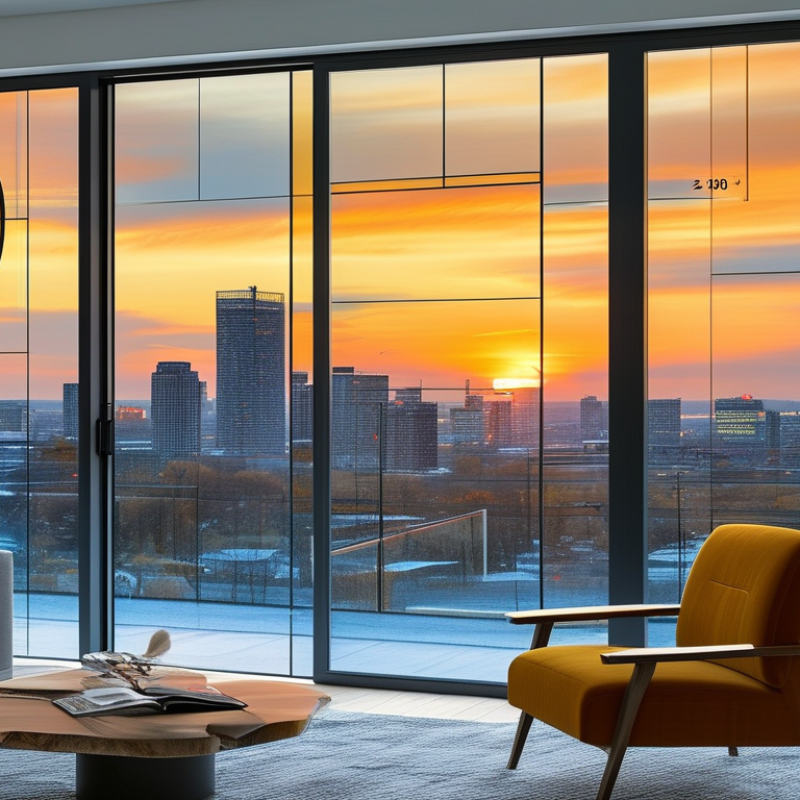
Emerging Sustainable Materials in Windows and Sliding Glass Doors
As homeowners increasingly prioritize sustainability, the demand for eco-friendly materials in windows and sliding glass doors continues to rise. According to the U.S. Department of Energy, windows account for about 25% to 30% of residential heating and cooling energy use. This statistic underscores the importance of energy-efficient windows, which are often made from materials that provide better insulation and reduced carbon footprints.
Emerging trends highlight the use of recycled materials in manufacturing. For instance, companies are now utilizing post-consumer waste in the production of frames and glass. These innovations can reduce reliance on new raw materials. A recent industry report showed that consumers are willing to pay up to 15% more for doors and windows made from sustainable resources. This shift reflects a growing awareness of environmental issues among buyers.
However, the transition to sustainable materials isn't perfect. The availability of these materials can be inconsistent, leading to delays in project timelines. Additionally, the initial costs can be higher than traditional options. Homeowners must carefully weigh these factors. Balancing short-term investment versus long-term savings is essential. Sustainability in home construction is a journey, with many variable paths.
Innovative Designs Enhancing Aesthetic Appeal for Homeowners
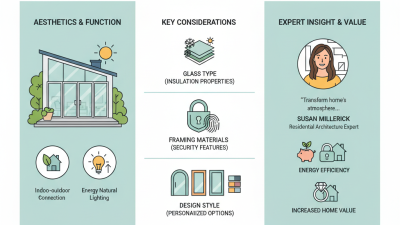
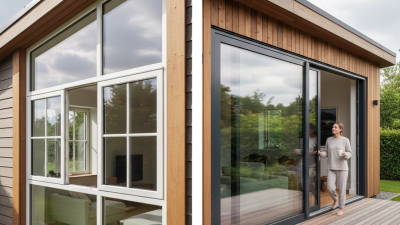
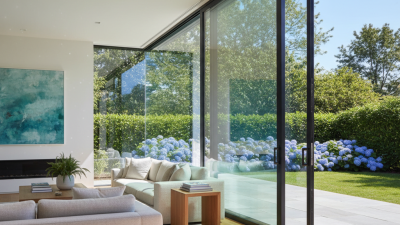
Homeowners are increasingly drawn to innovative designs for windows and sliding glass doors. These features enhance both functionality and style. Large, uninterrupted glass panels are becoming popular. They allow natural light to flood the space, making rooms feel larger and more inviting. The trend leans towards minimalistic frames, which provide a sleek look that complements modern architecture.
Color choices also reflect changing tastes. Soft earth tones and deep jewel shades are in vogue. They create a warm atmosphere while maintaining a contemporary edge. Textured glass is gaining attention too. It offers privacy without sacrificing light. These details can significantly transform an ordinary entrance into a stunning focal point.
While these trends are appealing, buyers should reflect on their unique needs. Some may overlook energy efficiency in favor of aesthetics. Balancing beauty with practicality is crucial. Understanding the materials and their long-term maintenance can prevent future regrets. Trends may come and go, but thoughtful choices will always stand the test of time.
Smart Technology Integration in Modern Window Systems
Smart technology is rapidly transforming the landscape of window systems. In 2026, integration of smart features in windows and sliding glass doors will become increasingly prominent. Data from the International Window Association indicates that smart window technology can enhance energy efficiency by up to 30%. Homeowners will seek products that adjust their tint and thermal properties automatically, based on the time of day and weather conditions.
The advent of sensors and automation offers new capabilities. These systems can regulate temperature and light, improving indoor comfort. Research shows that 58% of consumers are willing to invest in smart home technology, including windows. However, with innovation comes complexity. Not all buyers understand the technology, raising questions about reliability and usability. Many homeowners find themselves overwhelmed by intricate options and installation challenges.
Data privacy concerns also plague smart technology. Users worry about data collection and the potential for hacking. While these concerns are valid, innovations in cybersecurity can help mitigate risks. As the market evolves, industry professionals must address usability and security. Engaging customers with clear information will build trust and ensure successful integration of smart window systems into homes.
Energy Efficiency and Insulation Advances in Window Solutions
The trend of energy efficiency in window solutions is gaining traction. Homeowners are increasingly aware of the impact of insulation on energy bills. The latest advancements focus on multi-pane glass technology. This type of glass significantly reduces heat transfer, keeping homes cooler in summer and warmer in winter. However, some homeowners are puzzled by the various options in the market.
Besides glass technologies, window framing materials also play a critical role. Vinyl and fiberglass options dominate due to their insulation properties. They do not warp and require less maintenance. However, some may overlook the importance of proper installation. A poorly installed window can negate all energy-saving benefits. Therefore, consulting with experts becomes essential for achieving the desired performance.
Moreover, energy-efficient windows can be a higher upfront investment. Yet, the long-term savings on energy bills can be substantial. It's crucial to weigh initial costs against potential savings. Many buyers grapple with this decision, wondering if the benefits justify the initial expense. As the market evolves, so do the technologies and solutions available to buyers. Transparency and informed choices will guide homeowners toward more sustainable solutions.
Trends in Customization and Personalization for Buyers
Customization and personalization in the windows and sliding glass doors market are experiencing significant growth. Industry reports reveal that 65% of consumers prioritize tailored options in their purchasing decisions. This trend is reshaping how manufacturers approach design and functionality. Buyers now seek products that reflect their unique style and needs. Options range from various materials to a variety of finishes, colors, and hardware.
The demand for personalized features often centers around energy efficiency and aesthetics. Reports indicate that energy-efficient windows can reduce energy bills by up to 30%. Customization allows buyers to choose designs that enhance the energy performance of their homes. However, this focus on individual preferences raises questions about standardization and potential price increases. Some consumers may find the expanded options overwhelming.
As manufacturers adapt to this trend, they must balance personalization with production efficiency. Not all customization options are feasible at scale. Shipping delays and higher costs can impact the buying experience. Companies need to ensure that their offerings align with consumer expectations while maintaining quality and availability.
2026 Top Windows and Sliding Glass Doors Trends for Buyers
| Trend |
Description |
Customization Options |
Popular Materials |
Energy Efficiency Rating |
| Smart Windows |
Windows that can change tint or transparency based on sunlight. |
Automated controls, various tint levels. |
Glass, fiberglass. |
A++ |
| Triple Glazing |
Windows with three panes of glass for enhanced insulation. |
Custom frame colors, various spacer designs. |
Vinyl, wood. |
A+ to A++ |
| Bi-Fold Doors |
Doors that fold neatly to the side, creating a seamless transition to outdoors. |
Different panel configurations, color finishes. |
Aluminum, wood. |
B+ |
| Sliding Glass Walls |
Large sliding doors that provide expansive views and natural light. |
Custom sizes, track options. |
Fiberglass, tempered glass. |
A+ |
| Energy-efficient Coatings |
Innovative coatings that reflect heat and enhance insulation. |
Various finish options. |
Low-E glass. |
A++ |