How to Choose the Best Home Sliding Doors for Your Space?
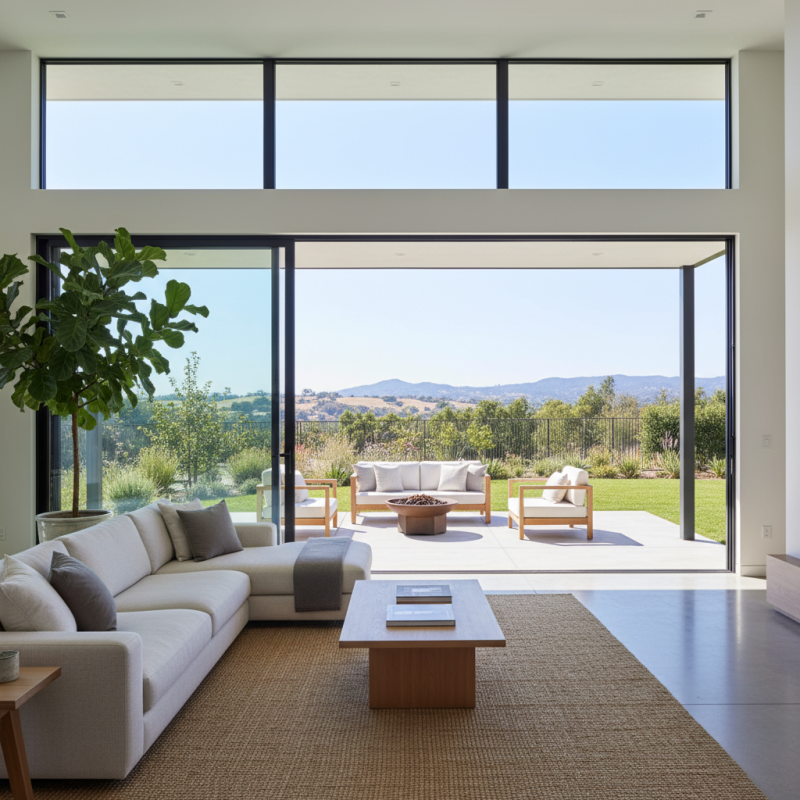
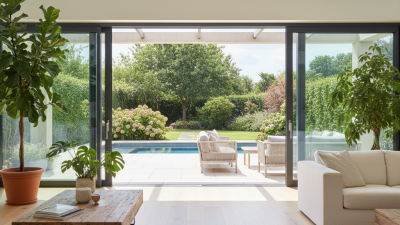
Choosing the right home sliding doors can transform your living space. Expert architect Lisa Behnke once stated, "The right doors can enhance both aesthetics and functionality." With so many options available, it can be overwhelming.
Home sliding doors come in various styles, materials, and sizes. They can create a seamless flow between indoor and outdoor areas. However, selecting the best fit requires careful consideration. Think about your space's layout, lighting, and overall design theme. The wrong choice can lead to disappointment.
Reflecting on function and style is crucial. Do you want a modern look or something more traditional? Also, consider practical aspects, like durability and maintenance. The overall efficiency of your doors can impact your home’s energy consumption. Balancing these factors is key to making a thoughtful decision about home sliding doors.
Understanding the Different Types of Home Sliding Doors Available
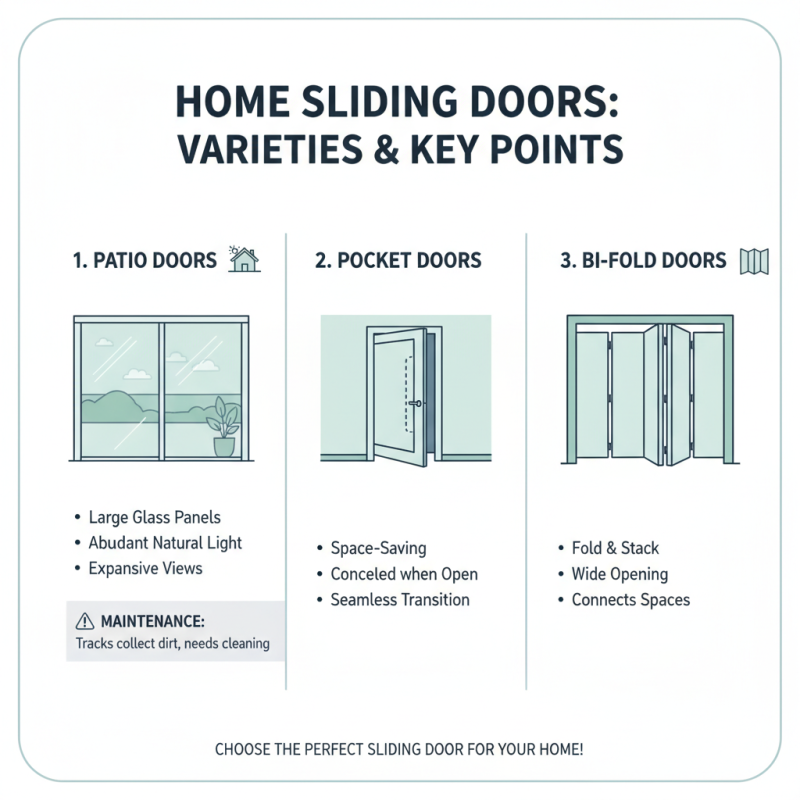
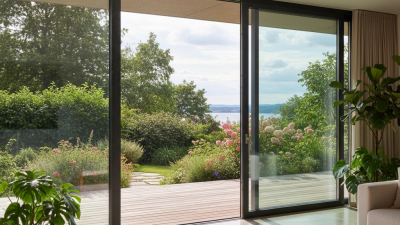
When exploring home sliding doors, it’s crucial to understand the varieties available. The most common types include patio doors, pocket doors, and bi-fold doors. Patio sliding doors often feature large glass panels. They let in natural light and provide beautiful views. However, consider maintenance. The tracks can collect dirt and require regular cleaning.
Pocket doors slide into the wall, saving space. They are perfect for small areas. Yet, installation can be tricky. Ensure your walls have enough depth for the door to fit. Bi-fold doors, on the other hand, fold open, creating large openings. They are ideal for connecting indoor and outdoor spaces. But, they usually come with a hefty price tag.
Deciding on the right sliding door involves careful thought. Each type has unique benefits and drawbacks. Assess your space, style, and budget. Pay attention to how doors function. A poorly chosen door can disrupt your flow. It’s worth taking the time to explore options before deciding.
Factors to Consider When Choosing Sliding Doors for Your Home
When choosing sliding doors for your home, several factors come into play. The size of your space is crucial. Many reports suggest that 60% of homeowners prefer larger openings to enhance natural light. Consider the layout of your rooms. A door that opens seamlessly can make both small and large spaces feel more connected.
Material matters, too. Glass doors provide a modern look and offer great views. However, they often require more maintenance. Wood options bring warmth but can warp over time. According to industry data, about 45% of buyers are choosing fiberglass for its durability and energy efficiency. This material strikes a balance between style and practicality.
Tip: Think about insulation. Choose doors with double-glazing for better energy efficiency. This reduces heating costs significantly. Also, don't overlook security features. Many doors come with multi-point locking systems for enhanced safety. Reflect on your choices. Are you prioritizing looks over functionality? Always find a balance that works for your home.
Measuring Your Space for the Perfect Fit of Sliding Doors
Measuring your space accurately is crucial when selecting sliding doors. Start by clearing the area where you plan to install the doors. This provides a clearer view of dimensions and potential obstacles. Use a tape measure to note the width and height of the opening. Check for any differences in the floor level. Sometimes, floors can be uneven, and this could affect your door installation.
Consider the surrounding space as well. Do you have enough clearance for the doors to slide open? Don’t forget to measure the wall space beside the opening. This area is just as important for proper functionality. Reflect on the amount of natural light you want. Larger doors might enhance light but could require more space.
Make sure to account for the door thickness. Thicker doors may need more clearance than thinner ones. It’s common to overlook these details, leading to complications during installation. Rushing measurements often ends in frustration. Take your time to double-check everything. Engaging in this careful process will help you choose the right doors for your home.
Comparison of Popular Types of Sliding Doors
Exploring Materials and Designs for Sliding Doors
When considering sliding doors for your home, materials and designs play crucial roles. Glass and wood are popular choices. Glass sliding doors allow natural light, creating an open feel. They are ideal for small spaces but can pose privacy issues. Wood offers warmth and timeless appeal. It can be less maintenance but may require regular treatment to withstand wear and tear.
Recent industry studies show that 70% of homeowners prioritize aesthetic appeal when selecting sliding doors. This suggests that design options matter significantly. Minimalist designs are trending, aligning with modern interior styles. However, balancing style and functionality is not always easy. A beautifully designed door might not provide adequate insulation, which can impact energy efficiency.
Moreover, hardware choices also affect usability. Issues with tracks can lead to frustrating experiences. Selecting robust hardware is essential for durability. Many overlook these details, underestimating their long-term importance. When planning your space, include both looks and practical aspects in your decision-making process. As trends evolve, ongoing research is necessary to identify the best materials and designs for your needs.
How to Choose the Best Home Sliding Doors for Your Space?
| Material |
Design Style |
Durability |
Insulation |
Maintenance |
Price Range |
| Wood |
Classic |
High |
Moderate |
High |
$$$ |
| Aluminum |
Modern |
Very High |
Excellent |
Low |
$$ |
| Glass |
Contemporary |
Moderate |
High |
Medium |
$$$$ |
| Vinyl |
Traditional |
High |
Good |
Medium |
$ |
| Composite |
Rustic |
High |
Moderate |
Medium |
$$ |
Tips for Installation and Maintenance of Sliding Doors
Installing sliding doors can enhance your home’s style and functionality. However, proper installation is crucial. Measure your space accurately. Check for level floors and walls, which can often be uneven. This makes a significant difference in how the doors operate.
Using a helper can simplify the process. It’s hard to hold everything steady alone.
Maintain your sliding doors regularly to ensure smooth operation. Keep the tracks free of dirt and debris. A simple vacuum can do wonders. Lubricate the rollers every few months with a silicone spray. This helps prevent noise and friction. Inspect the seals and weather-stripping. Damaged parts can lead to drafts and water leaks.
Regular maintenance isn’t just about fixing issues. Consider the material of your doors, too. Some woods may warp, while others resist moisture better. If you notice wear, reflect on whether you need more robust materials for high-traffic areas. A little attention can prolong the life of your doors significantly.