How to Choose the Best Home Windows and Doors for Your Property?
Choosing the right home windows and doors is crucial for any property owner. Expert Jenna Sanders, known for her work in residential design, emphasizes, “The right choices can transform your home’s aesthetic and energy efficiency.” With countless options available, it can feel overwhelming to narrow down the choices.
Home windows and doors are not just functional; they also define your home's character. Consider the architectural style of your property. Do you aim for modern sleekness or classic charm? Each type offers unique benefits and potential drawbacks. For example, vinyl windows are low-maintenance but may lack the traditional feel of wooden options. Similarly, glass doors can enhance natural light, but they might sacrifice privacy.
Make it a point to reflect on your priorities. Are aesthetics your main concern, or is energy efficiency more important? The decisions you make today impact comfort and costs for years to come. Don't rush the process; take time to balance your needs with the available features. Finding the best home windows and doors takes thoughtful consideration, but the rewards are worth it.
Understanding Different Types of Windows and Doors for Your Home
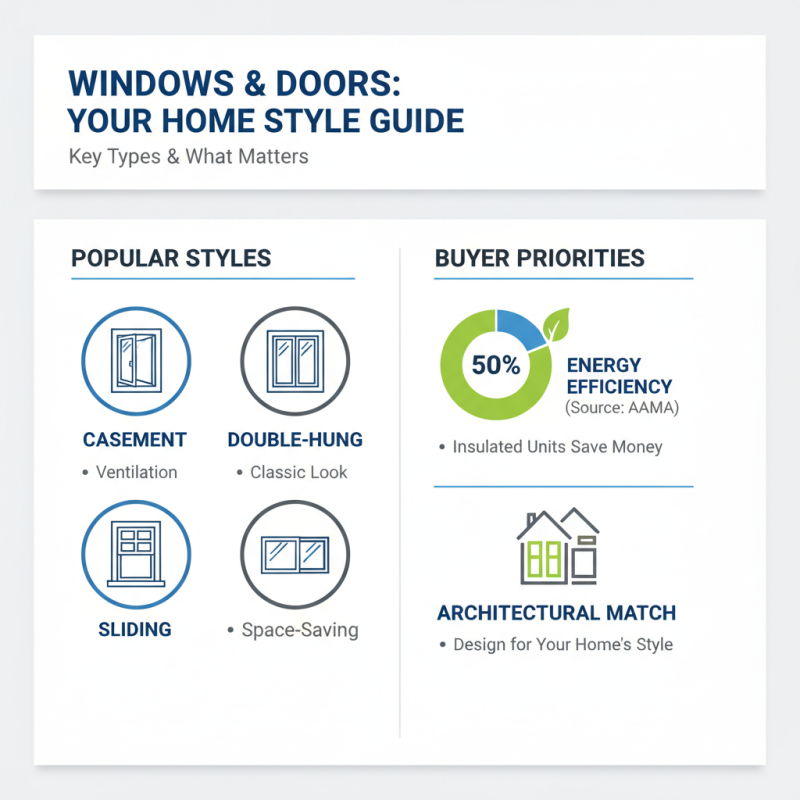
When selecting windows and doors for your home, understanding the different types available is crucial. There are several styles to consider, such as casement, double-hung, and sliding windows. According to the American Architectural Manufacturers Association, 50% of homeowners prioritize energy efficiency when choosing windows. This makes insulated units a popular choice. They can significantly reduce heating and cooling costs. Notably, specific designs may better suit certain architectural styles.
Doors have varied options too. Steel, fiberglass, and wood doors each offer unique benefits. For instance, steel doors provide enhanced security, while fiberglass options appeal due to their durability and low maintenance. A survey by the National Association of Realtors found that new doors can add up to 75% of their cost back to the home’s value. However, some issues may arise, such as installation challenges or material degradation over time. Weighing aesthetics against practicality can be difficult, as personal taste often conflicts with functionality.
Homeowners frequently overlook the importance of matching windows and doors to their home’s overall style. Poor choices can disrupt visual harmony. Energy performance ratings also require careful consideration. It's essential to evaluate each option critically, examining both immediate needs and long-term implications.
Evaluating Energy Efficiency Ratings and Insulation Properties
When selecting home windows and doors, energy efficiency is crucial. A report from the U.S. Department of Energy notes that windows account for 25-30% of residential heating and cooling costs. Therefore, evaluating energy efficiency ratings, such as the ENERGY STAR certification, can lead to significant savings. Look for windows with a Solar Heat Gain Coefficient (SHGC) of 0.25 or lower in hot climates. This minimizes excess heat inside your home.
Insulation properties also matter deeply. Double or triple-pane windows with low-emissivity (Low-E) coatings provide superior insulation. According to the National Fenestration Rating Council (NFRC), these windows can reduce energy loss by up to 30%. Ensure that door systems feature proper weather stripping. Doors without adequate insulation can lead to drafts, wasting energy and comfort. Some homeowners might overlook this, thinking their doors look fine. However, even a small gap can significantly impact your energy bills through lost heating and cooling.
Selecting energy-efficient windows and doors requires careful consideration. An affordable option might not always yield the best long-term results. Reflect on your choices and how they impact your overall energy consumption. Recognizing the importance of these features can lead to a more sustainable and economically viable home.
How to Choose the Best Home Windows and Doors for Your Property? - Evaluating Energy Efficiency Ratings and Insulation Properties
| Type |
Energy Efficiency Rating (U-Value) |
Insulation Properties (R-Value) |
Material |
Life Expectancy (Years) |
| Vinyl Windows |
0.30 |
3.3 |
Vinyl |
20-40 |
| Fiberglass Doors |
0.18 |
5.56 |
Fiberglass |
30-50 |
| Wood Windows |
0.25 |
4.0 |
Wood |
30-50 |
| Aluminum Frames |
0.35 |
2.86 |
Aluminum |
20-30 |
| Composite Doors |
0.20 |
5.0 |
Composite |
25-50 |
Choosing the Right Materials for Windows and Doors
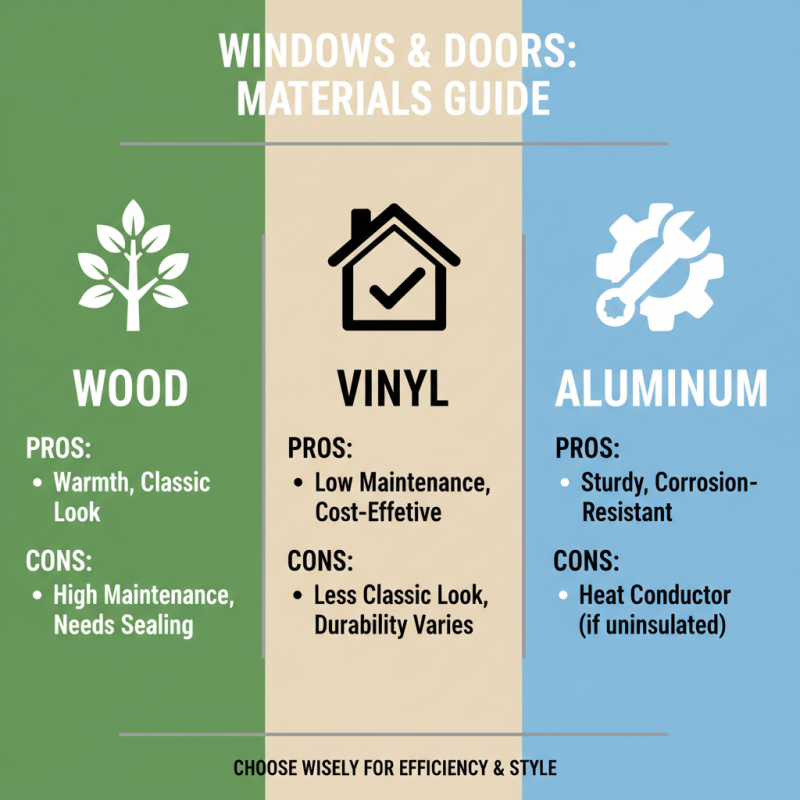
Choosing the right materials for windows and doors can significantly impact your home's efficiency and aesthetics. Wood, vinyl, and aluminum are common options. Each material has its pros and cons, influencing factors like durability and maintenance needs. For instance, wood offers warmth but demands regular painting or sealing. Vinyl is low-maintenance but may not provide the same classic look. Aluminum is sturdy and resistant to corrosion but can conduct heat if not insulated properly.
Consider your local climate when making your choice. In warmer areas, energy-efficient windows can reduce cooling costs. Double-glazed units can improve insulation. In colder regions, sturdy doors can block drafts effectively. Some people overlook these factors, leading to discomfort and higher bills. A balance between form and function is crucial. Aesthetic appeal should not sacrifice practicality. You might find yourself regretting decisions if functionality is ignored. Take the time to reflect on what truly suits your home and lifestyle.
Selecting Styles and Designs that Complement Your Property
Choosing the right windows and doors can elevate your home's aesthetic appeal. They play a crucial role in the overall design of your property. According to the Home Improvement Research Institute, 78% of homeowners consider window styles to be a vital part of their home's exterior.
When selecting styles, think about architectural coherence. If your property has a traditional design, opt for classic styles. French doors or double-hung windows could be ideal choices. For a modern look, sleek lines and larger panes often work best. Remember, the right design can enhance natural light, making spaces feel larger.
Tip: Consider energy efficiency when choosing materials. A study by the U.S. Department of Energy reveals that energy-efficient windows can reduce energy bills by up to 15%. Choosing the right frame material is essential. Vinyl, wood, and fiberglass each impact aesthetics and performance differently.
Also, color can make a large difference. Neutral tones are timeless, but bolder hues can create a statement. Just be cautious; going too bold may clash with your home's style. Always visualize your selections. Sometimes a design on paper looks different in reality.
Hiring Professionals vs. DIY Installation of Windows and Doors
Choosing between hiring professionals or tackling DIY installation for windows and doors can be tricky. Many homeowners feel confident and ready to take on the challenge. However, it is crucial to consider both options carefully. A professional can guarantee a quality job, but it comes at a higher cost.
DIY installation may save money, but it requires time and skills. Misalignments or improper fittings are common mistakes. Even small errors can lead to issues later on, such as drafts or leaks. Take a moment to think about your abilities and resources. Do you have the necessary tools? Are you prepared for the potential challenges?
**Tip:** If you decide to go the DIY route, read installation guides thoroughly. Preparation is essential. Make a checklist to avoid missing important steps. Also, consider practicing on a spare window or door first. It could save you from costly mistakes.
Comparing Professional Installation vs. DIY Installation of Windows and Doors
This chart compares the costs, time investment, and quality ratings between professional installation and DIY installation of windows and doors. The data suggests that while DIY installation is less expensive, it requires more time and offers a slightly lower quality rating compared to professional installation.