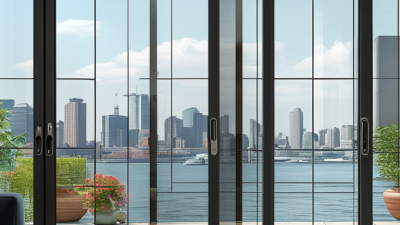
Choosing sliding doors is less about copying a showroom design and more about understanding your home’s daily rhythm. A door beside a busy kitchen needs smooth, quiet movement and a surface that wipes clean. A bedroom opening may need stronger privacy and better sound control. Before comparing frames or glass, measure the wall, opening width, floor level, and available stacking space. Small errors here can become expensive installation problems.
Experienced installers usually assess drainage, structural support, weather exposure, and the direction of prevailing wind. These details matter. A large glass panel can brighten a dark room, yet it may also increase heat gain or glare. Low-emissivity glass, insulated frames, secure multi-point locks, and quality rollers can improve comfort and durability. Ask manufacturers for tested performance data, warranty terms, replacement-part access, and maintenance guidance. Independent certifications are useful, but they should support careful product comparison, not replace it.
There is no universal best choice. Aluminium frames suit slim contemporary openings, while uPVC may offer practical insulation at a lower cost. Timber can add warmth, but it needs more regular care. I would not choose by appearance alone. Visit a completed installation if possible, operate the sample repeatedly, and notice resistance, noise, and track stability. Consider children, pets, furniture, cleaning habits, and future repairs. Even expert advice has limits when site conditions remain unknown. A thoughtful decision balances light, security, energy performance, accessibility, budget, and long-term confidence.
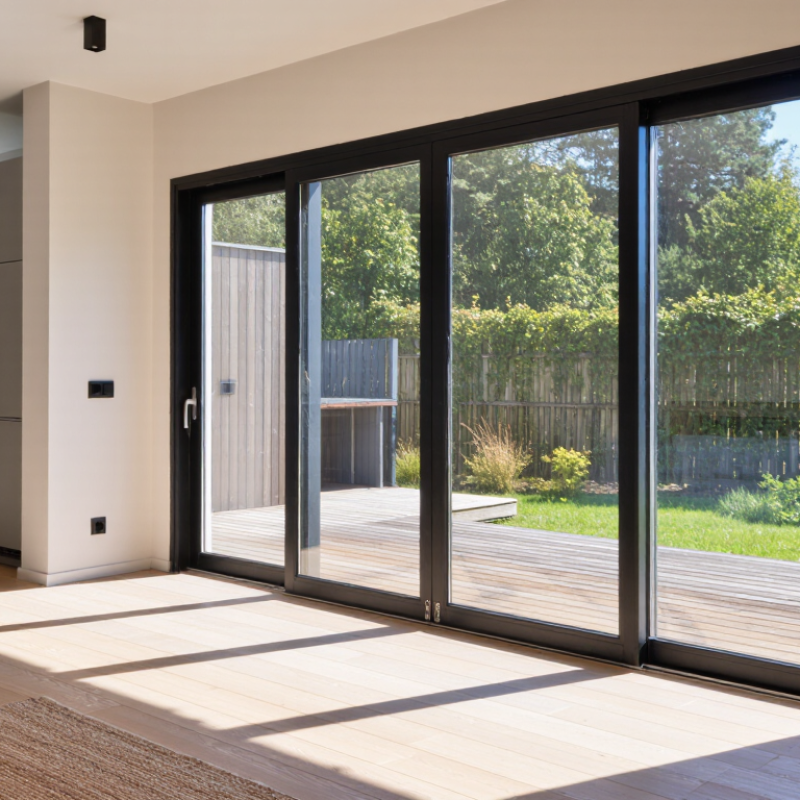
How to Choose the Best Sliding Doors for Your Home?
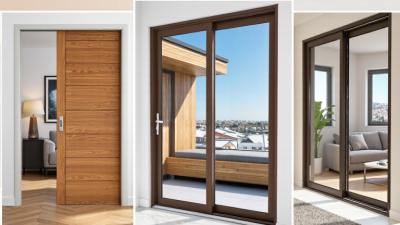
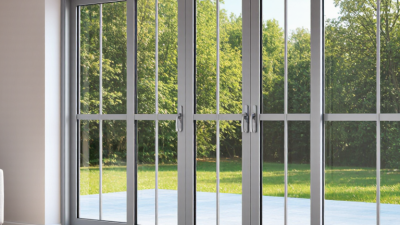
Sliding doors differ in operation, space requirements, and insulation performance. Patio sliders usually use large glass panels, bringing daylight into living rooms or garden areas. Their key features include weather seals, secure locks, and smooth rollers. Pocket doors slide into the wall, saving floor space and creating a clean opening. However, they need careful wall planning and may be difficult to repair later.
Barn-style sliding doors sit outside the wall and add visible character. They are practical for bedrooms, studies, and utility spaces, but they usually provide less privacy and sound control. Bypass doors move behind each other, making them useful for wardrobes. They do not offer a completely open passage. Fold-and-slide systems create wider openings, although their tracks and hardware require regular cleaning.
Tips: Measure the full opening, wall space, and nearby furniture before choosing. Check the glass rating, frame material, drainage design, and locking system. In damp or windy areas, weak seals can cause drafts and rattling. Ask a qualified installer to inspect the structure. A beautiful door can still feel wrong if its handle is awkward or its track collects grit. I would also test the sample in daylight, because frame colors often look different indoors.
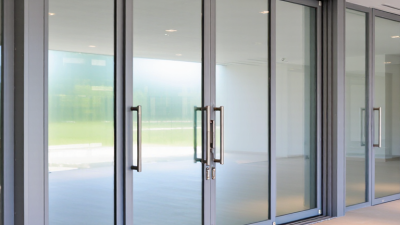
Choosing a sliding door starts with your room, not the catalogue. Measure the finished opening, adjacent wall, ceiling height, and furniture clearance. A wide panel can look impressive, yet it may block a sofa, radiator, or kitchen walkway. Mark the panel path with masking tape. Walk through it several times.
Study daylight and air movement. South- or west-facing glass may create uncomfortable afternoon heat. The U.S. Department of Energy reports that windows can account for 25–30% of residential heating and cooling energy use. Check the National Fenestration Rating Council label for U-factor and solar heat gain coefficient. Lower U-factor improves insulation, while an appropriate SHGC controls solar gain. Climate matters more than showroom appearance.
Drainage deserves attention. So does the threshold. Exterior doors should shed rain away from the wall, especially on exposed balconies or low patios. Confirm safety-glazing requirements and emergency exit rules with your local building authority. The 2021 International Residential Code includes provisions for glazing safety and egress, but local adoption varies. A practical mistake is assuming every opening accepts the same frame. It does not. I once measured only the visible width and missed the plaster return; the selected panel became unusable. Leave installation tolerance, inspect the floor level, and test the handle reach before ordering. A quiet, smooth track is useful. Fancy hardware is not.
How to Choose the Best Sliding Doors for Your Home?
Sliding doors affect comfort, daylight, maintenance, and monthly energy use. Start by comparing frame materials, not just appearance. Vinyl frames resist moisture and usually need little upkeep. Aluminum frames look slim and modern, but they can transfer outdoor temperatures more easily. Timber offers warmth and strong insulation, though it needs regular sealing. Composite frames can balance durability and efficiency, but their quality varies.
Glass selection matters just as much. Double glazing is suitable for many homes, while triple glazing can improve comfort in colder climates. Low-emissivity coatings help reduce heat loss without making rooms feel dark. Look for glass with a low U-value and suitable solar heat-gain performance. Clear glass brings in more light, but tinted or laminated glass may reduce glare and improve safety. I once underestimated afternoon sun in a west-facing room; the furniture faded faster than expected.
Tips: Check the door’s whole-system energy rating, not only the glass. Test the rollers and locks before buying. Ask how seals perform after years of use. Measure wall exposure carefully. A highly efficient door can still waste energy if installation leaves gaps around the frame. Also, avoid choosing the thinnest frame automatically. More glass is attractive, but a slightly wider frame may improve strength and weather resistance. Local climate and installation quality deserve equal attention.
How to Choose the Best Sliding Doors for Your Home?
The right sliding door begins with dependable hardware, not attractive glass alone. Start with the rollers, tracks, handles, and locking points. Look for corrosion-resistant components if the door faces rain, salt air, or frequent cleaning. Smooth rollers should carry the panel without grinding or sudden resistance. Small details matter.
I once prioritized a slim frame and ignored the handle quality. The door looked elegant, but the grip felt loose after repeated use. That mistake changed how I assess doors. Choose a handle that feels solid and remains comfortable with wet hands. A secure system should include a strong primary lock, anti-lift protection, and a secondary latch where appropriate. Ask for tested security information instead of trusting sales language. Check that the frame closes evenly. Gaps can reduce both security and weather performance.
The operating system affects daily comfort. Lift-and-slide mechanisms can move large panels with surprisingly little effort. Traditional sliding systems may cost less, but they can demand more force when panels become heavy. Consider who will use the door every day, including children, older adults, or anyone with limited strength. Weather seals should compress evenly without making the handle difficult to operate. Before installation, test the actual sample several times. I would also request written maintenance guidance, because even excellent hardware can fail when tracks collect grit. Leave room for that reality.
| Category | Option or Feature | Key Facts | Best Suited For | Selection Guidance |
|---|---|---|---|---|
| Operating System | Bottom-rolling sliding door | The door panels are supported by rollers running on a floor track. The header mainly guides the panels rather than carrying their full weight. | Large openings, replacement projects, and installations where the structure above the door has limited load-bearing capacity. | Choose a corrosion-resistant track and accessible roller adjustment. Plan for regular cleaning of the floor track. |
| Operating System | Top-hung sliding door | The panels are suspended from an overhead track, leaving the floor area largely free of a load-bearing track. | Minimalist interiors, barrier-reduced access, and rooms where a clean floor line is important. | Verify that the lintel, ceiling, or supporting wall can carry the system load and that the guide keeps panels stable. |
| Operating System | Lift-and-slide mechanism | Turning the handle lifts the panel slightly from its seals and rollers, allowing a large panel to move with reduced friction; closing lowers it back onto the seals. | Wide exterior openings that require improved weather sealing and smooth manual operation. | Use precise installation and strong structural support. The system generally costs more than a basic sliding arrangement. |
| Operating System | Telescopic sliding system | Multiple panels slide in the same direction, allowing a wider opening within a limited wall length. | Patios, meeting areas, and rooms where a broad clear opening is a priority. | Check the additional track length, panel alignment, operating force, and cleaning access before selecting it. |
| Operating System | Pocket sliding door | The panel slides into a concealed cavity inside the wall, saving visible wall space when open. | Interior rooms where furniture placement and clear circulation are important. | Confirm cavity depth, plumbing, wiring, fire requirements, and future access to the track and rollers. |
| Hardware | Rollers and wheels | Roller quality affects operating force, noise, alignment, and service life. Sealed bearings can help protect moving parts from dust and moisture. | Frequently used doors and large or heavy glazed panels. | Confirm the complete system capacity, not only the nominal panel weight. Prefer adjustable rollers that can be serviced after installation. |
| Hardware | Track and threshold | A level, rigid track supports consistent movement. Drainage and weather-resistant finishes are important for exterior applications. | Exterior doors exposed to rain, dirt, temperature changes, or coastal air. | Balance water management with accessibility. A low threshold may improve access but must still provide suitable drainage and sealing. |
| Hardware | Handles and pull hardware | Ergonomic handles should provide a firm grip without interfering with adjacent panels, screens, curtains, or furniture. | Family homes, high-traffic rooms, and doors used by people with limited hand strength. | Check handle height, clearance, grip shape, finish durability, and compatibility with the selected lock body. |
| Security | Multi-point locking | Several locking points engage along the door edge, helping hold the panel firmly against the frame and seals. | Ground-floor doors, accessible balconies, and openings exposed to higher security risks. | Select a lock designed for the specific panel height and frame profile. Correct installation is essential to achieve its intended performance. |
| Security | Anti-lift protection | Anti-lift blocks or properly adjusted guides help prevent a closed sliding panel from being lifted out of its track. | Exterior sliding doors and locations where the panel edge may be accessible from outside. | Confirm that the protection remains effective after roller adjustment and that the panel cannot be lifted when locked. |
| Security | Laminated safety glass | Laminated glass contains an interlayer that helps retain broken pieces after impact. It can also improve noise reduction when the specification is suitable. | External doors, homes near busy roads, and areas where fall-through protection is a concern. | Specify glass according to local safety codes, size, location, and structural requirements; do not rely on glass alone for security. |
| Safety | Tempered safety glass | Heat-treated glass is stronger than ordinary annealed glass and generally breaks into smaller granular pieces when shattered. | Interior and exterior doors where impact safety is required by local regulations. | Remember that tempered glass cannot be cut or drilled after heat treatment, so dimensions and hardware positions must be finalized beforehand. |
| Weather Performance | Seals, brushes, and drainage | Perimeter seals reduce air and water infiltration, while drainage paths direct collected water away from the interior. | Exposed exterior openings and homes in wet or windy climates. | Review tested air, water, and wind performance where available, and keep weep holes and tracks free of debris. |
| Maintenance | Cleaning and adjustment access | Dirt in tracks can increase resistance and wear. Accessible adjustment points make it easier to correct minor alignment changes. | Busy households, homes with pets, and doors exposed to sand or outdoor debris. | Choose removable covers or service openings where appropriate, and clean tracks regularly without applying unsuitable lubricant. |
| Final Check | System compatibility | The frame, glass, rollers, locks, handles, seals, track, and threshold must be designed to work together as one tested assembly. | Every sliding-door project, especially custom-sized or replacement installations. | Request installation instructions, performance documentation, maintenance requirements, and confirmation of compliance with applicable local building codes. |
Note: Actual performance depends on the complete door assembly, opening dimensions, installation quality, climate, maintenance, and applicable building regulations.
Choosing sliding doors starts before measuring the opening. Record wall width, floor level, sunlight, wind exposure, and daily traffic. A professional survey can reveal hidden moisture or weak framing. Do not trust the tape measure alone. Confirm the drainage design, safety glazing, locking points, and thermal performance. Check local building requirements and request written specifications. This feels slow, but it can prevent expensive changes later.
Plan installation around weather and room use. The frame must sit square, plumb, and fully supported across the sill. Even a small tilt can make panels drag within months. Use an experienced installer who explains flashing, sealants, fasteners, and water testing. Request photos of concealed work before interior trim is fitted. Leave clearance for curtains and furniture. A door may open beautifully but still fail if rainwater has nowhere to escape.
Maintenance should be simple enough for your calendar. Vacuum the tracks every few weeks, wipe rollers with a dry cloth, and inspect seals twice yearly. Never force a stiff panel. It may indicate debris, settlement, or damaged hardware. Keep drainage holes clear with a soft brush. Lubrication advice varies by material, so follow the care guide. Long-term value also includes heat loss, repair access, and replacement-part availability. I underestimated furniture clearance during one renovation, and the door became awkward to use. Measure the living pattern, not only the opening.
Opening Hours
Monday: 8:00 AM – 4:00 PM
Tuesday: 8:00 AM – 4:00 PM
Wednesday: 8:00 AM – 4:00 PM
Thursday: 8:00 AM – 4:00 PM
Friday: 8:00 AM – 4:00 PM
Saturday: Closed
Sunday: Closed