How to Choose a Ceramic Toilet Pan in 2026?
Choosing a Ceramic Toilet Pan in 2026 requires more than comparing showroom prices or glossy finishes. It involves hygiene, water efficiency, installation quality, durability, and long-term maintenance. The best-looking model may not suit your drainage system, bathroom dimensions, or daily use.
Global sanitation needs make this decision more important. The WHO and UNICEF Joint Monitoring Programme reported that 3.5 billion people lacked safely managed sanitation in 2022. This highlights the value of reliable, hygienic toilet equipment in every market. However, one product cannot solve every sanitation challenge. Product selection still depends on local infrastructure and responsible installation.
Water performance deserves close attention. The U.S. Environmental Protection Agency’s WaterSense programme defines high-efficiency toilets as using 1.28 gallons per flush or less, while maintaining effective performance. A suitable Ceramic Toilet Pan should also match recognized standards, such as ASME A112.19.2, CSA B45.1, or EN 997, depending on the destination market. Check the certification label carefully.
Small details matter. Look for a smooth, low-porosity glaze, strong rim construction, stable fixing points, and accessible replacement parts. Measure the rough-in distance before ordering. A two-centimetre error can delay installation.
Do not trust appearance alone.
This guide compares pan shapes, flushing systems, glaze quality, water consumption, installation requirements, and maintenance costs. It also considers accessibility and bathroom layout. Some recommendations may need revision as standards and technologies change. That uncertainty is worth acknowledging. A thoughtful purchase balances verified data with the realities of your specific bathroom.
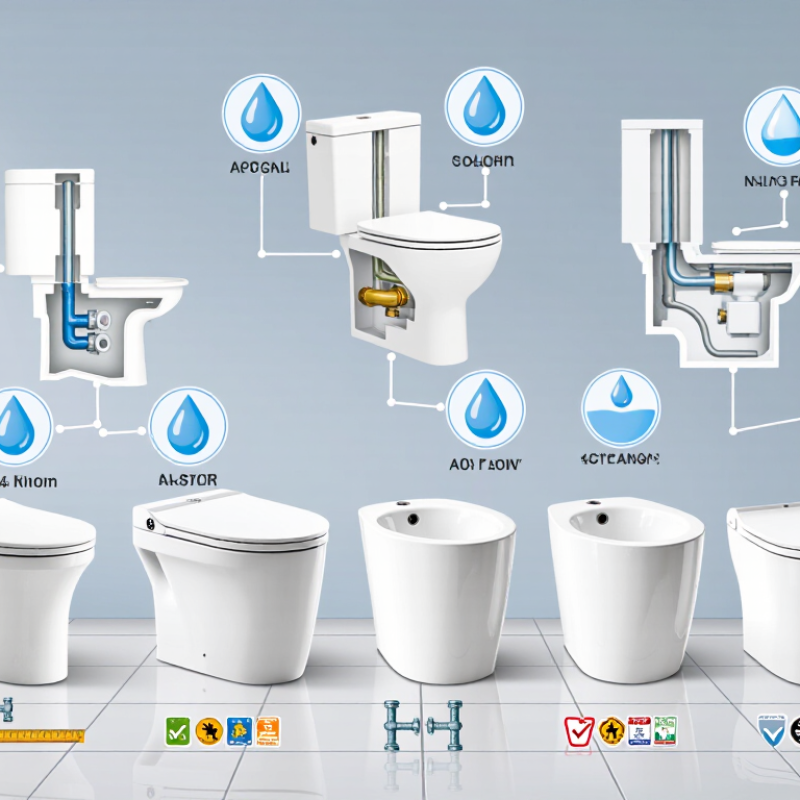
Understanding Ceramic Toilet Pan Types and Their Main Differences
Choosing a ceramic toilet pan in 2026 starts with understanding its construction. Two-piece pans separate the cistern and bowl, making transport and replacement easier. One-piece pans have fewer joints, so grime has fewer places to collect. They are heavier, however, and repairs may require moving the complete unit. Wall-hung pans create a clean floor area, but they need a correctly installed support frame behind the wall.
The bowl shape also changes daily use. Round pans suit compact bathrooms, while elongated pans usually provide more sitting space. Rimless designs release water more evenly around the bowl and are easier to inspect during cleaning. Traditional rimmed pans can still perform well when their glaze is smooth and the flush channel is properly formed. Check the trapway size, outlet position, seat height, and rough-in measurement before ordering. A beautiful pan can become useless when the waste connection is wrong.
Ceramic quality matters beyond appearance. Look for a dense, evenly glazed surface without pinholes, hairline cracks, or rough edges. These defects may be small but can retain stains. Water-saving flushing is valuable, yet weak flow can cause repeated flushes in poorly matched plumbing. Ask for certified performance data and installation instructions. I would also measure the bathroom twice; rushed measurements are a surprisingly common source of expensive mistakes. There is no perfect type. Cleaning habits, available space, plumbing layout, and long-term maintenance should guide the choice.
Checking Dimensions, Bathroom Layout, and Installation Requirements
Choosing a ceramic toilet pan begins with a tape measure, not appearance. Measure the available width, depth, and height carefully. Leave enough side clearance for comfortable use and cleaning. Check the rough-in distance from the finished wall to the drain center. Do not measure from an unfinished wall. Also confirm the water supply position and outlet direction. Local plumbing requirements may differ, so verify them before ordering.
Bathroom layout affects daily comfort. Mark the pan’s footprint on the floor with masking tape. Open the door fully and check its swing. Measure the distance to the vanity, shower screen, and nearby wall. A full-size cardboard template can reveal awkward knees or blocked access. In a compact bathroom, a shorter projection may help, but it can reduce sitting comfort. I once trusted an old measurement and discovered the door touched the cistern. That mistake was avoidable.
Installation depends on more than matching the drain. Inspect the floor flange, fixing points, and floor level. Uneven tiles can cause rocking and stress around the ceramic base. Confirm that the pan suits the selected cistern, seat, connector, and flush system. Follow the installation instructions exactly, especially for sealing and tightening. Ceramic can crack when bolts are overtightened. A qualified plumber should check hidden pipework and final connections. Take photos before covering any access points. Small details matter here.
Comparing Flush Systems, Water Efficiency, and Cleaning Performance
Choosing a ceramic toilet pan in 2026 requires more than inspecting its shape. The flush system controls waste removal, splash, noise, and water use per visit. Siphonic pans usually create stronger suction through the trapway. Washdown designs depend more on direct water movement. A wider, glazed trapway can reduce paper hang-ups, but weak pipework still causes trouble.
EPA WaterSense WaterSense’s Tank-Type Toilets Specification, Version 2.0, limits qualifying models to 1.28 gallons per flush. The Water Research Foundation’s Residential End Uses of Water, Version 2, measured toilets at about 24% of indoor residential use. Water use matters. Compare actual full and reduced flush volumes, not just the “dual-flush” label. A reduced flush may be adequate for liquid waste, but some pans need a stronger cycle for paper.
For cleaning performance, look for independent MaP testing rather than polished sales claims. Its protocol measures waste removal in grams, and WaterSense-qualified toilets must reach at least 350 grams during the full-flush test. That figure helps, yet it cannot represent every bathroom. Bowl depth, water-spot size, rim access, and glaze consistency affect daily cleaning. I inspect these areas under bright light. Rimless designs can simplify access, although their spray pattern deserves careful checking. No test replaces installation quality. I would still expect occasional marks, even with a strong score.
Reviewing Standards, Warranty, Price, and Long-Term Maintenance
Choosing a ceramic toilet pan in 2026 starts with standards, not showroom shine. During bathroom inspections, I check the compliance mark, test documents, and stated water-use rating. Requirements vary by country, so verify local plumbing and sanitation rules before ordering. A reliable pan should have a stable trapway, even glazing, and smooth internal surfaces. I also measure the outlet position and fixing points. A beautiful pan can still fail when its waste connection does not match the existing pipe.
Warranty wording deserves careful reading. Confirm coverage for ceramic cracks, glaze defects, seat hardware, and replacement labor. Many warranties exclude poor installation, freezing, harsh chemicals, or modified parts. Keep the invoice, installation photos, and product information. Ask who manages claims and who pays transport costs. A long warranty means little otherwise.
Price should include delivery, removal, installation, connectors, and possible floor repairs. I once chose a cheaper pan for a rental renovation, but fitting took twice as long. The saving disappeared. For maintenance, use mild cleaner and a soft cloth; abrasive powders can dull the glaze. Check the base seal for leaks and movement every few months. Hard-water deposits may need an approved descaler. Avoid pouring boiling water into the pan. Small leaks should not wait. They waste water and may damage the floor underneath.