How to Choose Windows and Sliding Doors for Your Home Design?
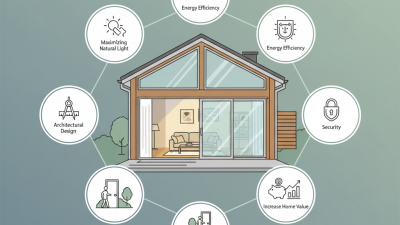
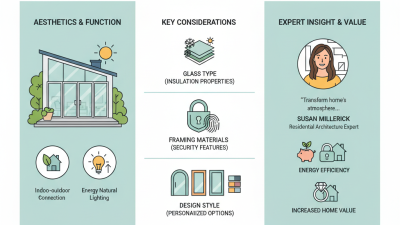
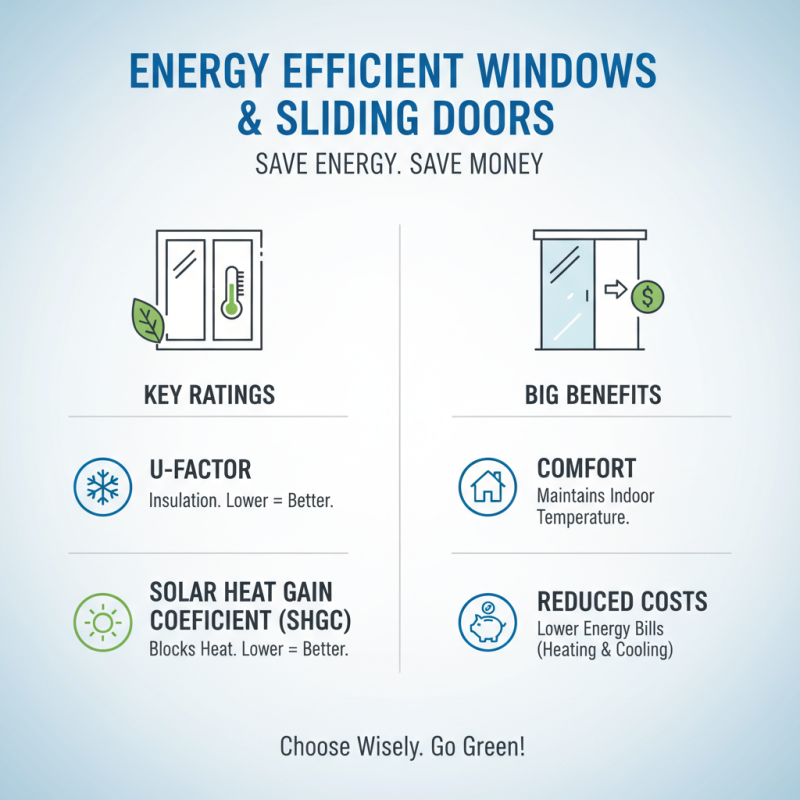
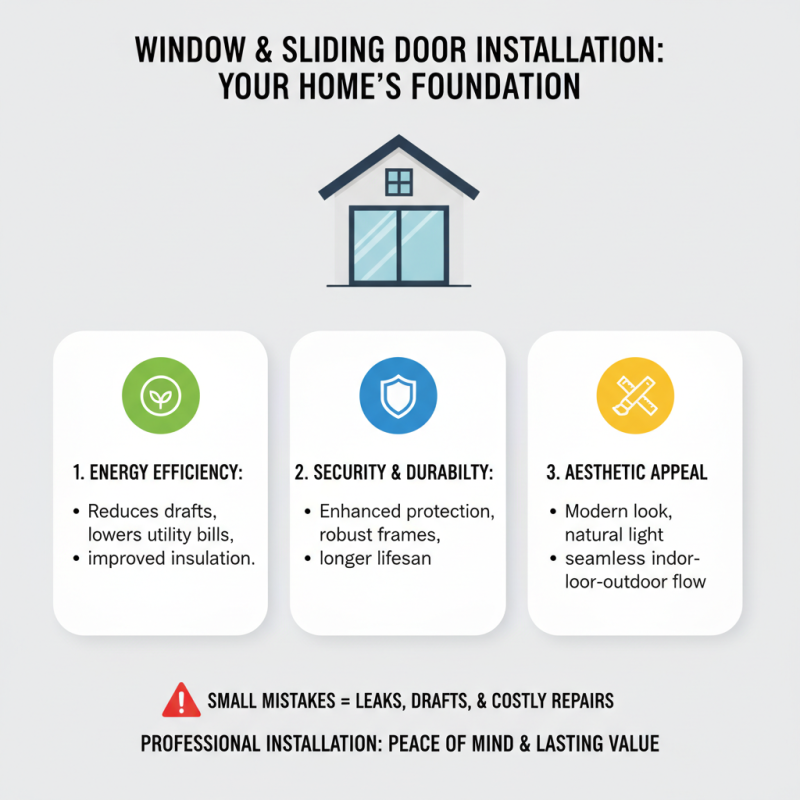
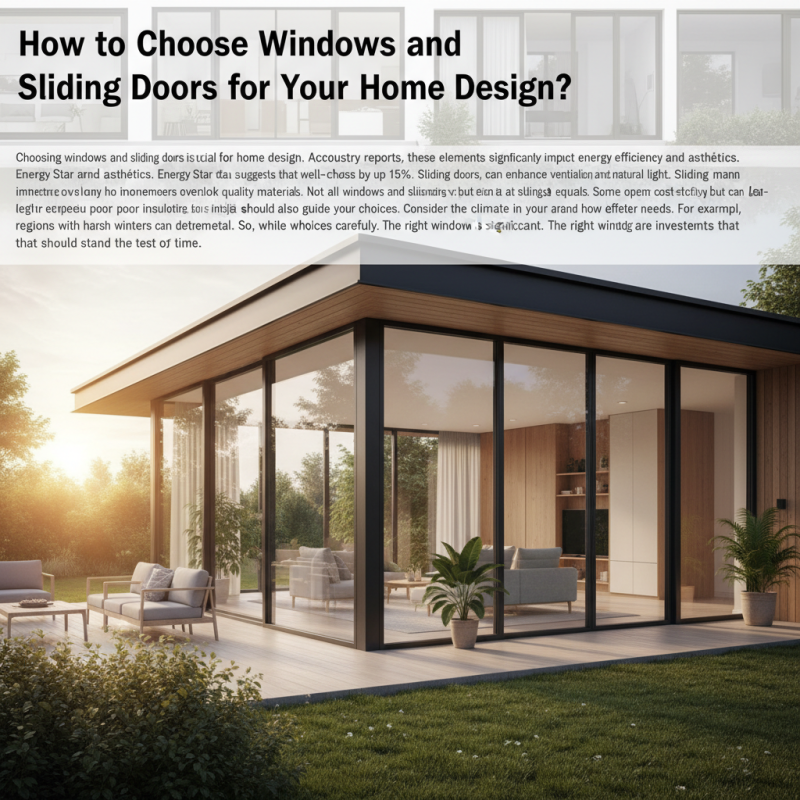
Choosing windows and sliding doors is crucial for your home design. According to industry reports, these elements significantly impact energy efficiency and aesthetics. Energy Star data suggests that well-chosen windows can reduce energy bills by up to 15%. Sliding doors, too, can enhance ventilation and natural light.
However, many homeowners overlook the importance of quality materials. Not all windows and sliding doors are created equal. Some options may seem cost-effective but can lead to higher long-term expenses due to poor insulation. Aesthetic appeal is vital, but functionality should also guide your choices.
Consider the climate in your area and how it affects your needs. For example, regions with harsh winters require better insulation. So, while the design is significant, compromising on quality can be detrimental. Reflect on your choices carefully. The right windows and sliding doors are investments that should stand the test of time.
Understanding Different Types of Windows and Sliding Doors for Homes
Choosing the right windows and sliding doors can redefine your home's aesthetic. There are numerous types to consider. Double-hung windows are a classic choice. They open from both the top and bottom, allowing for versatile ventilation. Sliding windows, on the other hand, are great for spaces where you want unobstructed views. They glide open and save space.
Sliding doors can add an elegant touch. They come in different styles, such as bi-fold and pocket doors. Bi-fold doors create a stunning indoor-outdoor flow. Pocket doors slide into the wall, preserving floor space. However, they may not always seal properly, leading to drafts. Always think about the functional aspects.
It's also important to consider energy efficiency. Look into materials like vinyl and fiberglass. They offer better insulation compared to traditional wood. However, aesthetic choices matter too. A modern design might clash with an old home’s character. Balancing style and practicality can be challenging, yet it's crucial. Reflecting on these details ensures your choices harmonize with your vision.
Evaluating Aesthetics: Style and Design Considerations
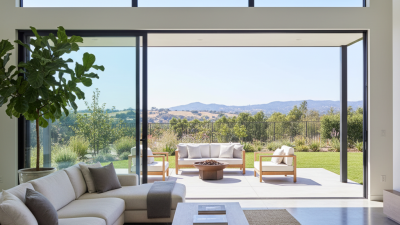
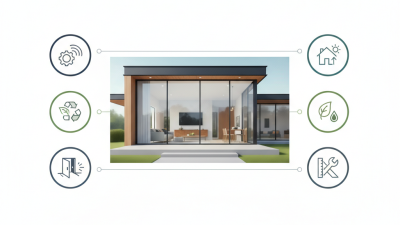
Choosing windows and sliding doors significantly impacts your home's aesthetics. They should complement your home's overall design. Consider architectural style first. For a modern home, sleek lines and large glass panels work well. In contrast, traditional designs may require more ornate frames and smaller panes.
Details matter. The color and finish can create varying impressions. A dark frame can add elegance, while white often brightens spaces. Consider how the materials will age. Wood offers warmth but may require more upkeep. Aluminum stays sleek but can feel cold. It's essential to strike a balance between beauty and practicality.
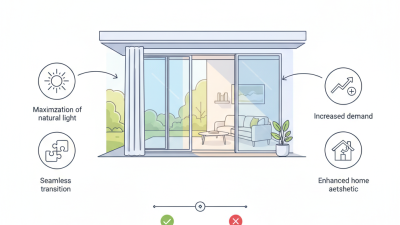
Don't overlook function. Windows and doors should also provide ample natural light and ventilation. Think about energy efficiency too. Sometimes, beautiful designs might sacrifice this. You must weigh these choices as you decide. Personal preferences and lifestyle should guide these critical selections. Evaluate how each option aligns with your overall vision.
Choosing Materials: Durability and Maintenance for Longevity
Choosing the right materials for windows and sliding doors significantly impacts their durability and maintenance. According to a study by the Window and Door Manufacturers Association, an entryway can account for up to 30% of a home’s energy loss. Understanding material choices helps combat this issue.
Vinyl, fiberglass, and aluminum are popular options. Vinyl is low-maintenance and energy-efficient. However, extreme temperatures can warp it. Fiberglass offers great insulation but may require more upkeep than vinyl. Aluminum is strong and lightweight, yet it can be prone to condensation and corrosion. Each material has its pros and cons, which must be weighed before making a decision.
Maintenance plays a crucial role in longevity. Regular cleaning can extend the lifespan of windows and doors. A report from the National Association of Home Builders indicates that properly maintained doors can last over 30 years. Neglecting maintenance, like failing to seal gaps or clean frames, can lead to costly repairs sooner than expected. Choose wisely, as the right material and care can enhance both aesthetics and functionality.