Essential Tips for Choosing Energy Windows and Doors?
Choosing the right energy windows and doors is crucial for homes today. As energy efficiency gains importance, this decision can impact your living environment and energy bills. Expert Mark Johnson, a recognized authority in sustainable building practices, once stated, "The right energy windows and doors are key to a home's efficiency." This insightful perspective highlights the significance of selecting high-performance products.
When it comes to energy windows and doors, understanding the specifications is essential. Consider factors like insulation, material, and design. Quality products can reduce heat loss and minimize energy consumption. However, it’s easy to feel overwhelmed by choices available in the market. Many options appear similar, but not all successfully meet energy efficiency standards.
Reflect on your unique needs. A standard window may not suit every climate or style. Look for products that align with your home's architecture and regional weather patterns. This awareness can help you make informed decisions while ensuring comfort and savings. Investing time in research today can yield substantial benefits in the long run. Ultimately, the right energy windows and doors are more than just functional; they enhance the overall quality of life in your home.
Factors to Consider When Choosing Energy-Efficient Windows
When selecting energy-efficient windows, consider multiple factors. The U-factor is critical. It measures the rate of heat transfer. Lower U-factor ratings mean better insulation. A U-factor of 0.30 or less is ideal. This ensures your home retains heat in winter and remains cool in summer.
Another important measure is the Solar Heat Gain Coefficient (SHGC). This rating indicates how much solar radiation passes through the glass. A lower SHGC is preferable in warmer climates, as it reduces cooling costs. In contrast, higher SHGC values can benefit colder areas. They help capture solar energy for heating.
Don’t overlook the framing material. Vinyl, wood, and fiberglass each have unique insulation properties. Vinyl frames, for example, resist moisture and conduct little heat. Wood frames offer natural insulation but may require more maintenance. Consider the overall energy performance and potential long-term savings. In real estate, energy-efficient homes often see a resale value increase of 5-10%.
Energy Efficiency Ratings of Different Window Types
Types of Energy-Efficient Windows and Their Benefits
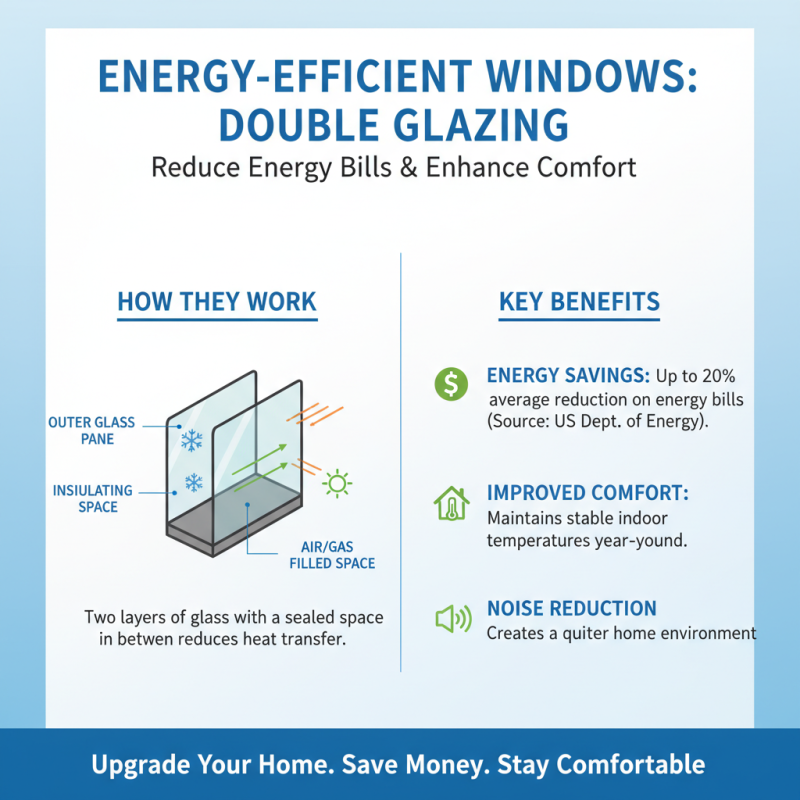
When selecting energy-efficient windows, understanding the types available is critical. Double-glazed windows are one popular choice. These windows have two layers of glass with a space in between, which diminishes heat transfer. According to the U.S. Department of Energy, this design can reduce energy bills by an average of 20% in moderate climates. The insulation provided by the air or gas in the space between the glass layers is essential for keeping homes comfortable year-round.
Another option is low-emissivity (Low-E) windows. These windows have a special coating that reflects infrared light while allowing visible light to pass through. Research indicates that Low-E windows can improve energy efficiency by 30% to 50% compared to traditional glass. This means homeowners can significantly cut down on heating and cooling costs over time. Yet, one must consider local climate conditions before choosing. In extremely hot regions, proper shading is also important.
Not every window fits every home perfectly. Some might prefer the aesthetic of single-pane options but overlook their energy inefficiency. It's important to evaluate the specific needs of your home. Factors such as insulation, climate, and personal preference should guide decisions. Understanding these elements will lead to a more informed choice in selecting the right windows and doors for energy efficiency.
Key Features to Look for in Energy-Efficient Doors
When choosing energy-efficient doors, it's crucial to understand which features contribute to better performance. Look for insulation values indicated by the R-value. A higher R-value usually means better thermal resistance. Certain studies suggest that doors with an R-value of 5 or higher can significantly reduce energy loss. This can lead to substantial savings on heating and cooling bills, making them a worthwhile investment.
Another key feature is the air infiltration rating. According to the U.S. Department of Energy, doors that reduce air leaks can improve energy efficiency by up to 50%. Look for doors certified with low infiltration ratings. Sealants and gaskets play a vital role in preventing drafts. Check if the product descriptions mention advanced sealing technology.
Window glazing is also important. Double or triple-pane glass typically has better insulating properties. The use of low-emissivity (low-e) coatings further enhances performance by reflecting heat. Research indicates that low-e glass can improve energy efficiency by as much as 30-50%. Always be on the lookout for independent energy ratings. This adds an extra layer of reliability to your choices. It's essential to balance cost and features, as higher quality may mean a steeper price tag. Reflect on whether the long-term savings outweigh the upfront costs.
Energy Ratings and Certifications for Windows and Doors
When selecting energy-efficient windows and doors, understanding energy ratings is crucial. According to the National Fenestration Rating Council (NFRC), energy ratings include U-factor, solar heat gain coefficient, and visible transmittance. These metrics help homeowners assess a product's insulation performance. The U-factor measures heat transfer; lower values indicate better efficiency. For instance, a window with a U-factor of 0.30 is superior to one rated at 0.50.
The Energy Star certification is another vital aspect to consider. Products with this label have been rigorously tested and meet high energy efficiency standards. A study from the U.S. Department of Energy points out that Energy Star windows can save homeowners about $500 annually on energy bills. Choosing the right windows and doors based on these certifications may initially seem daunting, but it pays off in the long run through energy savings and comfort.
Presence of low-E coatings can further enhance energy performance. These coatings reflect infrared light, keeping homes warmer in winter and cooler in summer. While such features may increase upfront costs, they contribute to a significant reduction in heating and cooling expenses. It's essential to weigh the initial investment against long-term benefits. Selecting the right energy certifications can significantly influence your decision-making process.
Essential Tips for Choosing Energy Windows and Doors
| Feature |
Description |
Energy Ratings |
Certification |
| U-Factor |
Measures the rate of heat transfer; lower values indicate better insulating properties. |
Less than 0.30 (excellent) |
ENERGY STAR |
| Solar Heat Gain Coefficient (SHGC) |
Indicates how much solar heat is admitted through a window; lower values are preferable in hotter climates. |
Less than 0.25 (ideal for warm climates) |
NFRC Certified |
| Visible Transmittance (VT) |
Measures the amount of light transmitted through the window; a higher value means more natural light. |
0.50 to 0.70 (good balance of light and energy efficiency) |
Energy Star |
| Frame Material |
Different materials (vinyl, wood, fiberglass) offer varying insulation levels and maintenance needs. |
N/A |
N/A |
| Noise Reduction |
Performance in reducing noise is crucial for homes in noisy areas. Look for sound transmission class (STC) ratings. |
Higher STC rating (above 30 is good) |
N/A |
Cost vs. Long-Term Savings of Energy-Efficient Installations
Choosing energy-efficient windows and doors can significantly influence your long-term savings.
According to the U.S. Department of Energy, energy-efficient installations can reduce energy bills by
12% to 33%. This percentage can lead to substantial savings over time.
Many homeowners see a return on their investment through lower utility costs, even if the initial expense is higher.
When considering these installations, understanding the balance between upfront costs and future savings is crucial.
For instance, triple-glazed windows cost more than double-glazed options but can save more energy in the long run.
The average payback period for these installations is about five to seven years,
depending on your climate and energy rates.
Tip: Always assess your local climate.
Energy-efficient products perform differently in hot versus cold regions. Seek advice from local experts to find suitable solutions for your specific needs.
Another tip: Check for certifications and ratings when selecting windows and doors.
Look for options with the ENERGY STAR label. Such products meet strict energy efficiency guidelines,
providing more confidence in your long-term savings.
Remember, while investing upfront can feel daunting, the benefits often outweigh the costs.