How to Choose Energy Efficient Sliding Doors for Your Home?

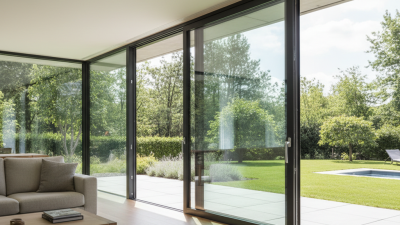
When selecting energy efficient sliding doors for your home, many factors come into play. John Smith, an expert in sustainable architecture, emphasizes, "Energy efficient sliding doors are not just a choice; they are an investment in comfort and savings." This statement captures the essence of making an informed decision.

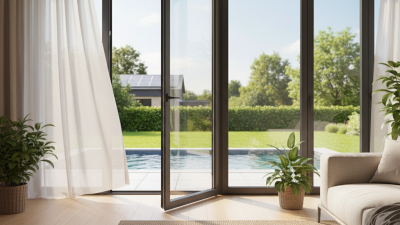
These doors can significantly affect your home's energy consumption. They offer excellent insulation, reducing heating and cooling costs. However, not all sliding doors are created equal. Some may look appealing but lack the necessary energy ratings. It's crucial to balance aesthetics with functionality.

Understanding the materials and technologies involved is essential. Double or triple glazing, for instance, can enhance efficiency but may come at a higher price. It’s important to weigh your budget against potential long-term savings. Choosing the right model might take time, but it can lead to substantial energy savings and a smaller carbon footprint.
How to Choose Energy Efficient Sliding Doors for Your Home?

Understanding Energy Efficiency Ratings for Sliding Doors

Choosing energy-efficient sliding doors is crucial for home improvement. Understanding energy efficiency ratings can make this choice simpler. These ratings indicate how well a door insulates against heat and cold. They reflect the door's ability to maintain a comfortable interior climate.

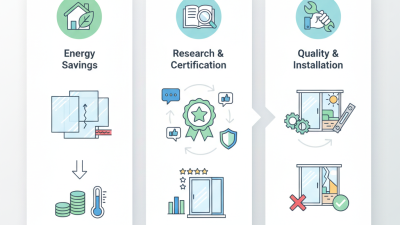
Look for labels that display U-factor and Solar Heat Gain Coefficient (SHGC). The U-factor measures how well the door prevents heat transfer. A lower value means better insulation. The SHGC shows how much heat from sunlight enters through the door. Lower numbers are better in hot climates. Different climates may require different ratings for maximum efficiency.

Not all sliding doors are created equal. Consider the material of the frame and the type of glass used. Vinyl and fiberglass frames tend to have better insulation than aluminum. Triple-pane glass provides superior thermal performance compared to double-pane. Remember, installation quality impacts energy efficiency too. An improperly installed door can lead to leaks. Always consult a professional to ensure the best fit and performance.
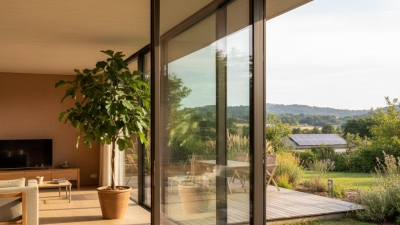
Comparing Materials for Energy-Efficient Sliding Doors

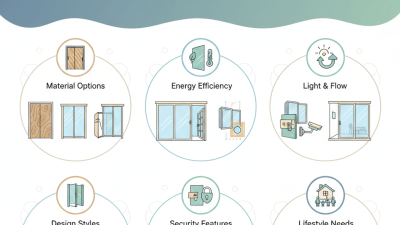
Selecting the right materials for energy-efficient sliding doors is crucial for any homeowner. The choice can impact your energy bills and indoor comfort.

Common materials include wood, vinyl, and aluminum. Each has its own benefits and drawbacks.

Wood offers great insulation but requires maintenance. It can warp in humid environments. Vinyl, on the other hand, is low maintenance and provides excellent insulation. However, it may not be as durable in extreme weather conditions. Aluminum is strong and lightweight. Yet, it typically loses heat more quickly than other materials.

When considering options, think about your local climate, aesthetic preferences, and energy needs. Make sure to examine the thermal ratings. If you're unsure, consulting a professional can provide valuable insights. Taking the time to reflect on these choices can lead to better decision-making.

Insulation and Sealing Features to Look For

When selecting sliding doors for energy efficiency, pay close attention to insulation and sealing features. Good insulation reduces heat transfer and keeps your home comfortable throughout the seasons. Look for doors with multiple layers of glass and Low-E coatings that reflect heat. This will keep your home cooler in summer and warmer in winter.

Sealing is equally crucial. Drafts can lead to energy loss, increasing your utility bills. Ensure the door frame has quality weather stripping and a tight seal when closed. Check for gaps that might allow air leakage. Even minor flaws can significantly reduce the efficiency of your sliding doors.

Tips: Test the door’s seal by closing it and checking for cold air. If you feel drafts, it might be time to address the sealing. Regular maintenance is vital. Replace worn-out weather stripping as needed. Trying different options can help you find the best solution for sealing issues. Consider consulting a professional for installation guidance to enhance energy efficiency.

The Importance of Proper Installation for Energy Saving

How to Choose Energy Efficient Sliding Doors for Your Home?

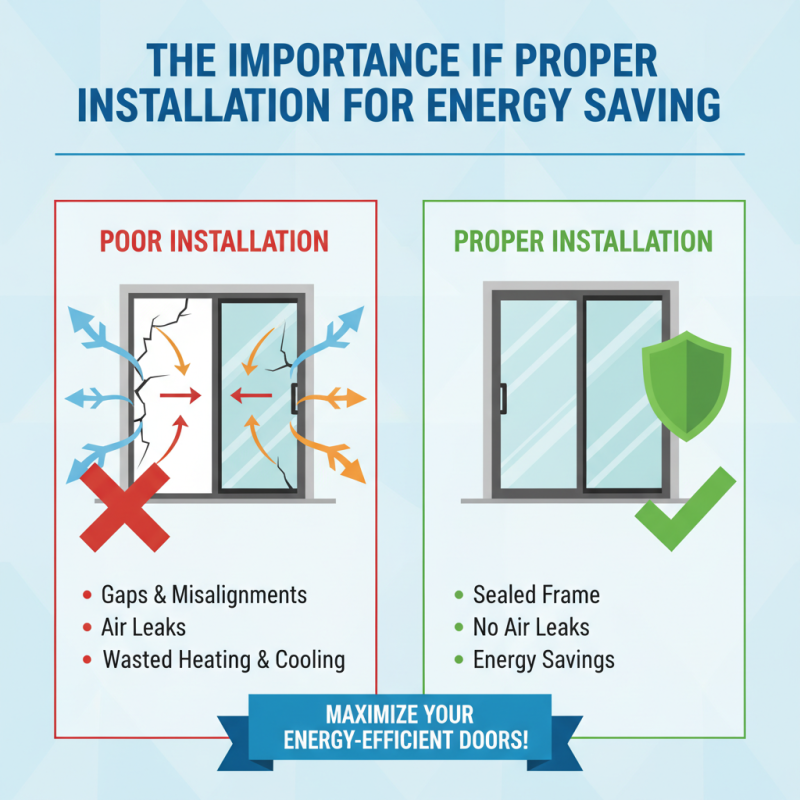
When selecting energy-efficient sliding doors, installation cannot be overlooked. A poorly installed door can lead to significant energy loss. Gaps and misalignments allow air to escape, wasting heating and cooling resources. Even the best doors will falter if not installed correctly.

Proper installation starts with a level frame. It ensures that the door fits snugly. A tight seal helps prevent drafts. Weatherstripping is crucial here. If it is damaged or improperly applied, energy efficiency declines. Regular checks and maintenance can identify these issues before they escalate.

Take the time to hire skilled professionals. Their expertise matters in achieving optimal performance. Poor workmanship may save you money initially, but it could incur higher energy bills later. Issues like condensation and mold can arise from bad sealing. The right installation is an investment in your home’s energy efficiency and longevity.

Cost vs. Long-Term Savings of Energy Efficient Sliding Doors

How to Choose Energy Efficient Sliding Doors for Your Home?

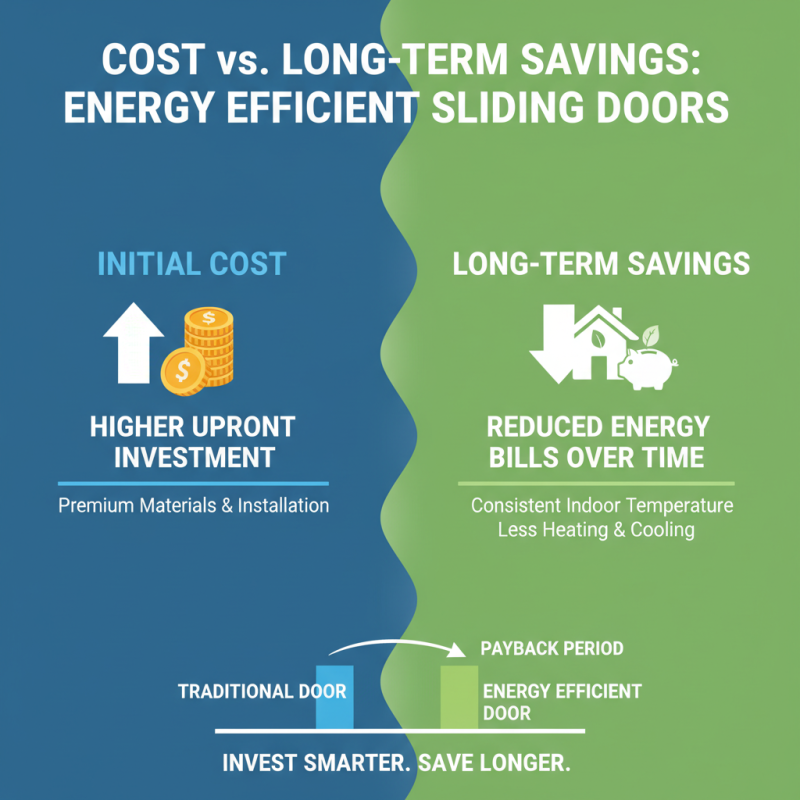
When considering energy efficient sliding doors, it's crucial to weigh the initial costs against long-term savings. Energy efficient doors often cost more upfront. However, they can lead to significant savings on energy bills over time. They help maintain your home's temperature, reducing heating and cooling costs.

Evaluate the materials and technology used in these doors. Look for insulated frames and low-E glass. These features enhance the door's efficiency. Measure how these saves can accumulate over the years. You may find that a higher initial investment pays off within a decade or two.

Tips: Always ask about the door's energy rating. This rating indicates its efficiency level. Installation matters, too. Ensure skilled professionals handle it to prevent air leaks. Regular maintenance checks can help keep them functioning efficiently. Choose wisely to make your home eco-friendly while benefiting financially in the long run.