How to Choose the Best Home Sliding Doors?

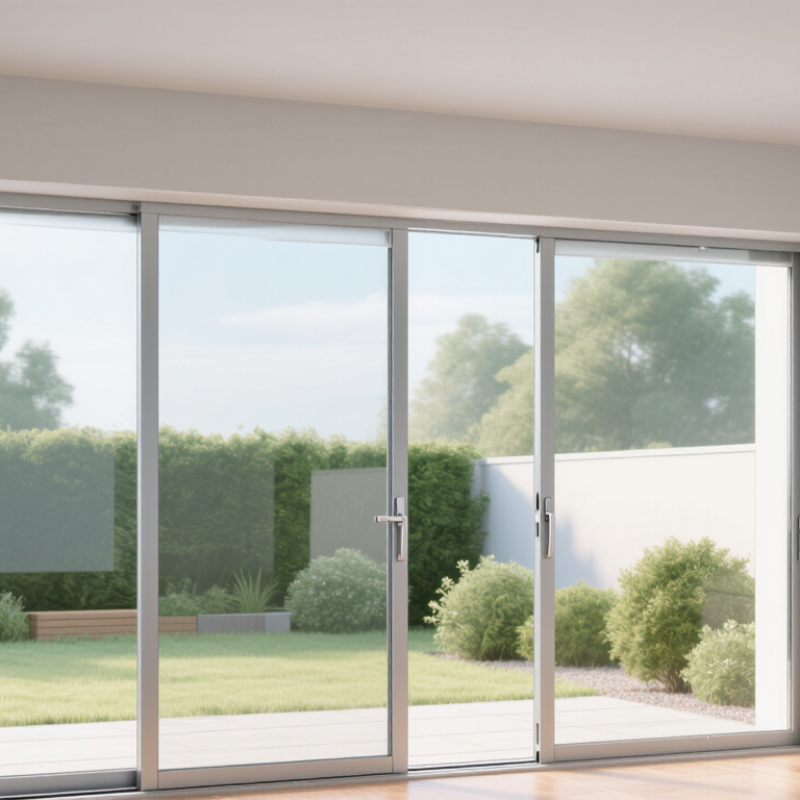
Choosing the best home sliding doors requires more than comparing frame colors and showroom prices. A large glass panel changes daylight, ventilation, privacy, security, and indoor comfort. The right choice must also match the wall opening, local climate, and daily movement through the room.

The U.S. Department of Energy reports that windows can cause 25% to 30% of residential heating and cooling energy use. Sliding doors contain similar glazed surfaces, so glass performance deserves careful attention. Look for the National Fenestration Rating Council label. Its U-factor measures insulation, while its Solar Heat Gain Coefficient shows how much solar heat enters the home. Lower is not always better. A cold northern room may need stronger solar gain, while a hot western room may need less.

Small details matter. Check whether the rollers move smoothly under load. Inspect the meeting stiles, weather seals, drainage paths, and lock operation. A narrow track can collect grit after one rainy week. The door should close without lifting, dragging, or forcing the handle. ENERGY STAR guidance also supports choosing certified products suited to the local climate zone.

There is no perfect door. A cheaper model may save money today but demand earlier roller replacement. A premium frame may look impressive but waste space inside a tight room. This guide compares materials, glass, thermal ratings, security features, maintenance needs, and installation quality. The honest answer is slightly inconvenient: the best home sliding doors depend on your house, not a universal “best” label.
How to Choose the Best Home Sliding Doors?

Defining Your Home Sliding Door Needs

Before choosing home sliding doors, define how the opening will work each day. Measure the wall opening, nearby furniture, and walking path. A wide glass panel looks inviting, but it may reduce usable wall space. Consider who will use it, including children, older adults, and anyone using mobility equipment. Smooth tracks and a low threshold can matter more than appearance.

Energy performance deserves careful attention. The U.S. Department of Energy reports that windows can account for 25% to 30% of residential heating and cooling energy use. The 2023 ENERGY STAR Residential Windows, Doors, and Skylights Guide states that certified products may reduce household energy bills by up to 15%. Check the door’s U-factor, solar heat gain coefficient, air leakage rating, and visible transmittance. Air leakage matters. So does orientation.

In practical installations, small details often become daily frustrations. A door facing strong afternoon sun may need exterior shading, even with efficient glazing. Coastal or dusty areas may require more frequent track cleaning. The National Fenestration Rating Council explains that its ratings support consistent comparison between fenestration products, but ratings cannot predict every home’s performance. I would also test the lock, rollers, and handle before purchase. A beautiful door can disappoint when it feels heavy after rain. Measure twice. Needs change, and my first preference is not always the right one.

Comparing Sliding Door Materials and Designs

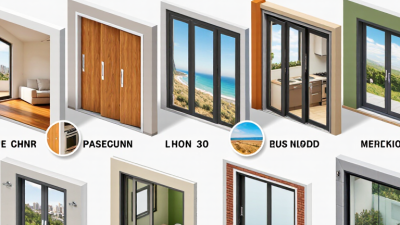
Choosing the best home sliding door starts with material, not appearance. Aluminum frames offer slim sightlines and strong structural support, but they can feel cold without thermal breaks. Vinyl frames usually provide better insulation and lower maintenance. Wood adds warmth and texture, though it needs regular sealing, especially near wet entrances. Fiberglass is stable and resists swelling, but it may cost more.

Design affects daily comfort. A two-panel door suits compact rooms, while a three-panel system creates a wider opening for patios. Look for multi-point locks, smooth rollers, and adjustable tracks. The U.S. Department of Energy reports that windows can cause 25–30% of residential heating and cooling energy use. A poorly sealed sliding door may contribute to that loss. Check the NFRC label for U-factor and solar heat gain coefficient ratings. Lower U-factor usually means better insulation.

Tips: Compare the full assembly, including glass, frame, seals, and installation. A beautiful door with weak weatherstripping will disappoint. I once focused too heavily on frame color and ignored the track design; cleaning became frustrating after one season. That mistake still matters. Consider sunlight, wind exposure, room size, and how often the door will move. The best design is practical first, attractive second.

How to Choose the Best Home Sliding Doors?

Comparing Sliding Door Materials and Designs

Lower whole-door U-factor indicates better thermal insulation. Fiberglass and wood frames generally provide stronger insulation than aluminum, while vinyl offers a balance of energy efficiency, cost, and low maintenance. Actual performance depends on glazing, weather seals, frame design, and installation quality.

Choosing the Right Glass, Size, and Opening Style

How to Choose the Best Home Sliding Doors?

Glass affects comfort, energy use, and the view. The U.S. Department of Energy reports that windows can cause 25% to 30% of residential heating and cooling energy use. Sliding doors can contribute significantly because their glass area is large. Double-pane low-emissivity glass is usually a practical starting point. In colder regions, choose a lower U-factor. In sunny climates, compare the solar heat gain coefficient carefully. More daylight is not always better.

Size should follow the room, wall structure, and daily movement. Measure the rough opening at the top, middle, and bottom. Small differences matter. A wide three-panel door creates a stronger connection to a patio, but it needs more wall space and careful support. The National Fenestration Rating Council recommends comparing certified U-factor, SHGC, visible transmittance, and air-leakage ratings. Do not judge performance from glass appearance alone.

Opening style changes how the room feels and functions. A traditional two-panel slider is efficient for limited space. A pocket-style system can create a cleaner opening, but installation is more complex. Lift-and-slide designs may feel smoother, yet their hardware and threshold require precise adjustment. Check furniture paths, screen placement, drainage, and accessibility before selecting the frame. I would recheck these details twice. Beautiful drawings sometimes ignore real furniture. A door that opens well on paper may still feel awkward every morning.

How to Choose the Best Home Sliding Doors? - Choosing the Right Glass, Size, and Opening Style

Decision Dimension Common Options or Range Best Use or Benefit Important Selection Considerations
Door configuration 2-panel, 3-panel, or 4-panel systems Two-panel doors suit standard openings; three- and four-panel systems create wider openings. More panels can increase the visible glass area but also require more wall width, structural support, and track space.
Typical overall width Approximately 60–192 in (1.52–4.88 m) Covers many patio, terrace, living-room, and garden-facing applications. Confirm the rough opening, finished opening, wall return, trim allowance, and required clearance before ordering.
Typical overall height Approximately 78–96 in (1.98–2.44 m) Standard heights are practical for replacement projects; taller doors offer a more open architectural appearance. Large or tall panels may need stronger framing, upgraded rollers, and professional structural review.
Clear opening Usually about 40–50% of the total two-panel width Provides access for people, furniture, and outdoor equipment. A sliding door does not open its full total width because one panel normally moves behind or in front of the other.
Clear glass Untinted transparent glass Maximizes daylight, views, and visual connection with outdoor areas. It offers limited privacy and can create glare or solar heat gain without shading or solar-control coatings.
Low-E insulating glass Double-pane or triple-pane insulated glass with a low-emissivity coating Reduces heat transfer and can improve indoor comfort and energy performance. Compare the whole-door U-factor and solar heat gain coefficient rather than evaluating the glass alone.
Laminated glass Two glass layers bonded with an interlayer Improves resistance to impact and helps hold fragments together if the glass breaks. Useful for security, noise reduction, or locations where safety glazing requirements apply; verify local code requirements.
Tempered safety glass Heat-treated safety glass Breaks into smaller, less sharp fragments than ordinary annealed glass. Commonly required for doors and large areas of glazing; exact safety-glazing rules depend on local building codes.
Tinted or solar-control glass Gray, bronze, or coated solar-control glass Helps reduce glare and solar heat entering rooms with strong sun exposure. May reduce visible light and change interior colors; select according to orientation, climate, and shading.
Pocket sliding style Panel slides into a wall pocket Creates a wide, unobstructed opening when fully open. Requires sufficient wall depth and a suitable wall structure; plumbing, wiring, and load-bearing elements may limit installation.
Bypass sliding style One or more panels slide past fixed or moving panels Works well where there is no room for a swing door or wall pocket. Only part of the total glazed width is open at one time, and tracks should remain clean and properly aligned.
Multi-slide or stacking style Several panels stack to one or both sides Suitable for broad indoor-outdoor transitions and large architectural openings. Needs careful structural design, adequate stacking space, precise installation, and stronger hardware for heavier panels.
Track and threshold Standard, low-profile, or accessibility-oriented threshold A low profile can improve ease of passage, while a raised threshold can support weather resistance. Balance water management, air sealing, drainage, and accessibility; local regulations may specify maximum threshold heights.
Frame material Vinyl, aluminum, fiberglass, or wood-clad construction Materials differ in appearance, maintenance, strength, thermal performance, and cost. Look for thermal breaks in metal frames, durable weather seals, corrosion resistance, and an appropriate finish for the climate.
Performance checks Air leakage, water resistance, structural rating, and thermal values Helps determine whether the door suits the local weather and exposure conditions. Review independently tested ratings, installation requirements, drainage details, and local code compliance before purchase.

Note: Dimensions and configurations shown are common residential planning ranges. Confirm final measurements, safety-glazing requirements, energy criteria, and structural conditions with local building professionals.

Evaluating Energy Efficiency, Security, and Accessibility

How to Choose the Best Home Sliding Doors?

Evaluating Energy Efficiency, Security, and Accessibility

Energy performance starts with the glass, frame, seals, and installation. The U.S. Department of Energy reports that windows cause roughly 25–30% of residential heating and cooling energy use. Sliding doors share similar heat-loss risks. Look for a low U-factor in colder regions and an appropriate solar heat gain coefficient in warmer climates. A low number is not automatically better. Poor installation can still create cold drafts around the track.

Security needs practical inspection. Choose laminated or tempered glass, reinforced frames, anti-lift blocks, and a lock that engages firmly. Check whether the closed panel can be lifted from outside. The National Fenestration Rating Council explains that tested ratings help compare performance, but they do not replace proper installation. That distinction is easy to miss. A beautiful door can still feel weak when the frame flexes.

Tips: Measure the opening twice. Test the handle with one hand. Keep the track clear of grit. Choose a threshold with minimal height and strong drainage. The CDC reports that about one in four U.S. adults has a disability, so accessibility deserves serious attention. A wide clear opening, low resistance, visible contrast, and smooth movement can help residents using wheelchairs, walkers, or limited grip strength. I would also question oversized panels; they may look impressive, but daily operation can become tiring.

Planning Installation, Maintenance, and Long-Term Costs

How to Choose the Best Home Sliding Doors?

Installation planning should begin with the opening, not the door style. Measure width, height, wall thickness, and floor level carefully. A difference of only a few millimetres can cause sticking, air leakage, or uneven locking. Professional installers also check drainage paths and structural support before ordering. This step is often underestimated. The U.S. Department of Energy reports that windows can account for 25% to 30% of household heating and cooling energy use. Therefore, compare U-values, solar heat gain coefficients, weather seals, and glass coatings, not only the purchase price.

Maintenance affects both comfort and long-term costs. Clean the track every few months, remove grit from rollers, and inspect seals after severe weather. The National Fenestration Rating Council explains that certified ratings help compare energy performance consistently. However, ratings cannot predict every installation problem. Poor flashing or a badly aligned frame may waste money despite excellent glass. Keep replacement rollers and seal costs in your budget. A cheaper door can become expensive when parts are difficult to source. That lesson is easy to ignore.

Tips: Request an itemised installation quote. Include disposal, trim repairs, drainage work, and future roller replacement. Ask the installer how the door will be tested after fitting. Open it repeatedly. Check the lock, gaps, and closing pressure. Take photographs before the wall is sealed. Review the plan later. You may notice a missing detail.