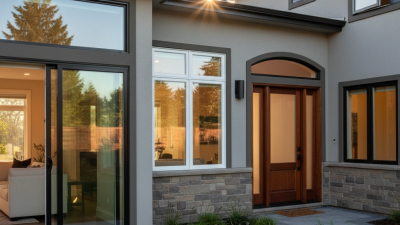
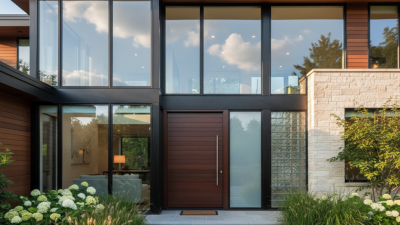
| Frame Material |
Vinyl |
Multi-chambered PVC frames with welded or mechanically joined corners. |
- Good thermal insulation for its cost
- Resists moisture, rot, and corrosion
- Usually available in low-maintenance finishes
|
- Color and size options can be more limited than other materials
- Large frames may require reinforced profiles
- Quality varies with frame design and installation
|
Budget-conscious replacement windows and residential projects. |
Clean periodically with mild soap and water; repainting is generally unnecessary. |
| Frame Material |
Fiberglass |
Glass-fiber-reinforced polymer frames with relatively low thermal expansion. |
- Strong and dimensionally stable
- Good resistance to moisture and temperature changes
- Can support larger glazed areas than some standard vinyl designs
|
- Often costs more than basic vinyl
- Fewer style and color choices may be available
- Availability depends on the local market
|
Energy-conscious homes requiring durable, stable frames. |
Low maintenance; inspect seals, hardware, and exterior finish as part of routine care. |
| Frame Material |
Aluminum |
Lightweight metal frames; thermal-break designs reduce heat transfer through the frame. |
- Strong, slim profiles for expansive glass
- Resistant to warping and many forms of corrosion
- Suitable for contemporary architectural styles
|
- Conducts heat more readily than wood or polymer frames
- Thermal performance depends heavily on the thermal break
- Can develop condensation in cold conditions if poorly designed
|
Modern buildings, large openings, and high-wind applications when properly engineered. |
Wash exposed surfaces and check drainage paths; repair damaged coatings to help prevent corrosion. |
| Frame Material |
Wood |
Natural timber frames, often protected with paint, stain, cladding, or exterior coatings. |
- Natural appearance and strong design flexibility
- Good insulating performance
- Can be repaired, refinished, or repainted
|
- More sensitive to prolonged moisture exposure
- Requires proper sealing and periodic refinishing
- Quality depends on timber selection and construction
|
Traditional, heritage, premium, and architecturally detailed homes. |
Inspect paint, stain, joints, and drainage areas regularly; renew protective finishes when required. |
| Frame Material |
Wood-Clad |
Wood interior surfaces combined with an exterior protective layer, commonly polymer or metal cladding. |
- Combines a warm interior appearance with exterior protection
- Good design flexibility and insulation potential
- Reduces direct exposure of interior wood to weather
|
- Generally more expensive than standard vinyl or aluminum
- Cladding joints and drainage details must be correctly installed
- Interior wood still needs moisture control
|
Higher-end residential projects seeking both aesthetics and weather resistance. |
Clean the exterior cladding and inspect interior finish, seals, and sill areas. |
| Window Style |
Single-Hung |
One sash moves vertically while the other sash remains fixed. |
- Simple operation and familiar appearance
- Usually less expensive than double-hung windows
- Can provide effective ventilation through the movable sash
|
- Only one sash opens
- Exterior cleaning may be less convenient on upper floors
- Ventilation control is more limited than with double-hung designs
|
Standard rooms where cost control and traditional proportions are priorities. |
Clean tracks and inspect balances, locks, weatherstripping, and drainage openings. |
| Window Style |
Double-Hung |
Both the upper and lower sashes can move vertically, often tilting inward for cleaning. |
- Flexible ventilation from the top, bottom, or both
- Many designs allow easier interior cleaning
- Works well with traditional and transitional architecture
|
- More moving parts than a single-hung window
- Air leakage depends on sash seals and hardware quality
- May cost more than single-hung units
|
Bedrooms, living areas, and multi-story homes needing adjustable ventilation. |
Clean channels and lubricate approved hardware; replace worn weatherstripping when needed. |
| Window Style |
Casement |
Hinged sash opens outward, usually operated by a crank or folding handle. |
- Can create a strong weather seal when closed
- Provides broad ventilation and can direct breezes inward
- Offers unobstructed glass area in many configurations
|
- Requires exterior clearance for operation
- Hardware can need adjustment over time
- Not ideal where walkways or landscaping are close to the opening
|
Energy-conscious rooms and locations where maximum ventilation is desired. |
Inspect hinges, operators, locks, seals, and exterior clearance; keep hardware free of debris. |
| Window Style |
Awning |
Hinged at the top and opens outward from the bottom. |
- Can provide ventilation during light rain
- Often offers good compression of the perimeter seal
- Useful for privacy and higher wall openings
|
- Needs outward clearance
- May collect water if left open during heavy wind-driven rain
- Hardware must support the sash weight
|
Bathrooms, basements, kitchens, and high wall sections requiring ventilation. |
Clean hinges and operators; check seals and close the sash during severe weather. |
| Window Style |
Sliding |
One or more sashes move horizontally along tracks. |
- Does not project into interior or exterior space
- Easy to operate for many users
- Suitable for wide openings and limited-clearance areas
|
- Sliding seals may have more potential air-leakage paths than hinged designs
- Tracks need regular cleaning
- Only part of the unit opens for ventilation
|
Low-clearance areas, accessible rooms, and wide horizontal openings. |
Vacuum tracks, clear weep holes, and inspect rollers, locks, and weatherstripping. |
| Window Configuration |
Fixed / Picture |
Non-operable glazing designed primarily for daylight, views, and architectural emphasis. |
- Typically has fewer air-leakage points than operable units
- Maximizes views and natural light
- Can be combined with operable windows
|
- Provides no natural ventilation
- Large sizes require appropriate structural support
- Glass cleaning access should be planned carefully
|
Living rooms, stairwells, feature walls, and areas focused on daylight or views. |
Clean glass and frames; inspect perimeter sealants and adjacent flashing. |
| Door Configuration |
Insulated Exterior Door |
Solid or semi-solid door slab with insulating core and perimeter weather seals. |
- Good privacy and security potential
- Available in many finishes and panel designs
- Insulated cores can reduce heat transfer through the slab
|
- Threshold and weatherstripping are critical to performance
- Slab weight can affect hinges and alignment
- Glass inserts may change thermal and privacy performance
|
Main entrances, side entrances, utility rooms, and other conditioned-space boundaries. |
Check alignment, hinges, locks, threshold adjustment, and weather seals annually. |
| Door Configuration |
Sliding Patio Door |
One or more large panels slide horizontally along a track. |
- Efficient use of space with no swing arc
- Provides broad views and convenient outdoor access
- Works well beside patios, decks, and balconies
|
- Track cleanliness affects operation and sealing
- Only a portion of the opening is normally operable
- Security depends on the lock, frame, panel, and installation
|
Areas connecting interior rooms with patios, decks, and gardens. |
Keep tracks clear, clean drainage channels, and inspect rollers, locks, and seals. |
| Door Configuration |
Hinged French-Style Door |
Two hinged door leaves meet at the center and swing inward or outward. |
- Wide clear opening when both leaves are open
- Traditional appearance with strong design flexibility
- Can provide effective compression sealing when correctly aligned
|
- Requires swing clearance
- Both leaves must align properly for reliable sealing
- Can be affected by frame movement or settlement
|
Formal entrances, dining areas, gardens, and spaces requiring a wide opening. |
Inspect hinges, astragal, multipoint hardware, threshold, and perimeter seals. |
| Glass & Energy |
Double-Pane Insulating Glass |
Two glass panes separated by a sealed insulating space; may include low-emissivity coatings and gas fill. |
- Reduces heat transfer compared with single-pane glazing
- Improves interior comfort and can reduce condensation risk
- Available with different solar-control options
|
- Performance depends on the whole window or door, not glass alone
- Seal failure can cause fogging between panes
- Low-emissivity and solar-control selections should match the climate and orientation
|
Most conditioned residential spaces where balanced thermal and cost performance is needed. |
Clean both surfaces normally; condensation between panes indicates a possible insulating-glass seal problem. |
| Glass & Energy |
Triple-Pane Insulating Glass |
Three glass panes separated by two insulating spaces, typically used for higher thermal performance. |
- Can provide lower heat transfer than comparable double-pane units
- May improve interior surface temperatures and sound reduction
- Useful in cold climates and high-performance buildings
|
- Heavier and generally more expensive
- Requires compatible frames and hardware
- Solar heat gain and visible-light performance must be evaluated for each orientation
|
Cold climates, high-performance construction, and rooms with demanding comfort goals. |
Routine cleaning is similar to double-pane glazing; verify hardware is rated for the added weight. |
| Configuration Planning |
Combination Unit |
Two or more window types are joined into one assembly, such as fixed glazing with casement or double-hung units. |
- Combines daylight, views, ventilation, and architectural proportion
- Allows different functions within one wall opening
- Can be customized to suit room layout and façade design
|
- More joints require careful water management
- Structural sizing and installation become more important
- Replacement and service may be more complex
|
Feature walls, living areas, façades requiring balanced ventilation and fixed views. |
Inspect each operating unit and all joining seams, flashing, sealants, and drainage paths. |