What Are the 2026 Best Home Doors?

Choosing the best home doors in 2026 requires more than following attractive design trends. Today’s homeowners want security, energy efficiency, quiet operation, and durable materials. A beautiful door can still disappoint when its frame leaks air or its hardware fails after one winter.

Home-door consultant Gary Johnson puts it plainly: “A door should protect the opening, not merely decorate it.” That principle remains useful when comparing fiberglass, steel, solid wood, and advanced composite doors. Each material performs differently in changing weather. Fiberglass resists moisture well. Steel offers strong security. Wood provides warmth, but it demands careful sealing and regular maintenance.

Smart locks are becoming more common. However, convenience should not replace reliable construction. A connected lock is useless when the door twists, the hinges sag, or the threshold allows water inside. Look for tested insulation values, reinforced strike plates, weather-resistant finishes, and warranties with clear terms. These details matter more than a fashionable handle.

The “best” choice is rarely universal. A coastal home may need corrosion-resistant hardware. A cold-climate property may require a thermally efficient insulated door. Older houses can present uneven openings that complicate installation. I have seen attractive replacements perform poorly because installers ignored the existing frame. That mistake is easy to repeat.

This guide examines the leading home doors for 2026 through practical performance, appearance, security, maintenance, and long-term value. Some recommendations may change as manufacturers improve their testing. That uncertainty deserves attention. A door should look right on day one, but it must still work after years of daily use.
What Are the 2026 Best Home Doors?

What Makes a Home Door the Best Choice in 2026?

What makes a home door the best choice in 2026 is not appearance alone. It should control drafts, resist moisture, and remain dependable after years of daily use.

The U.S. Department of Energy reports that proper air sealing can reduce annual heating and cooling costs by 10–20%. A well-installed door contributes to that result, especially around the frame, threshold, and weatherstripping.

Performance labels also matter. The National Fenestration Rating Council explains that a lower U-factor means less heat transfer, while solar heat gain coefficient measures how much sunlight enters through glazed areas. For a bright south-facing entrance, lower solar heat gain may improve comfort. In a shaded hallway, that feature matters less. Context beats a universal specification.

Safety and maintenance deserve equal attention.

The Federal Emergency Management Agency recommends tested, properly installed exterior openings in hazard-prone regions. Choose the door’s structure for local wind, rain, and temperature conditions. I would not select a highly insulated door with a weak frame. That is an easy mistake.

A tight seal can still fail when hinges sag or water reaches unfinished edges. In practical inspections, the smallest gaps often reveal more than impressive laboratory numbers.

A truly strong 2026 choice balances thermal performance, security, repairability, and installation quality. Perfect doors do not exist.
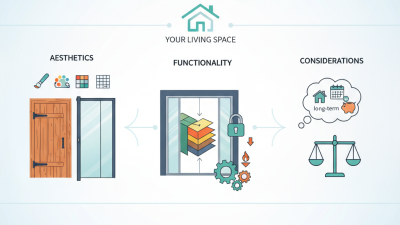
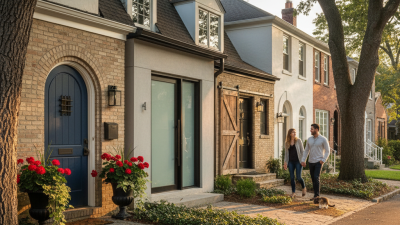
How Door Materials Compare for Strength, Efficiency, and Style

What Are the 2026 Best Home Doors?

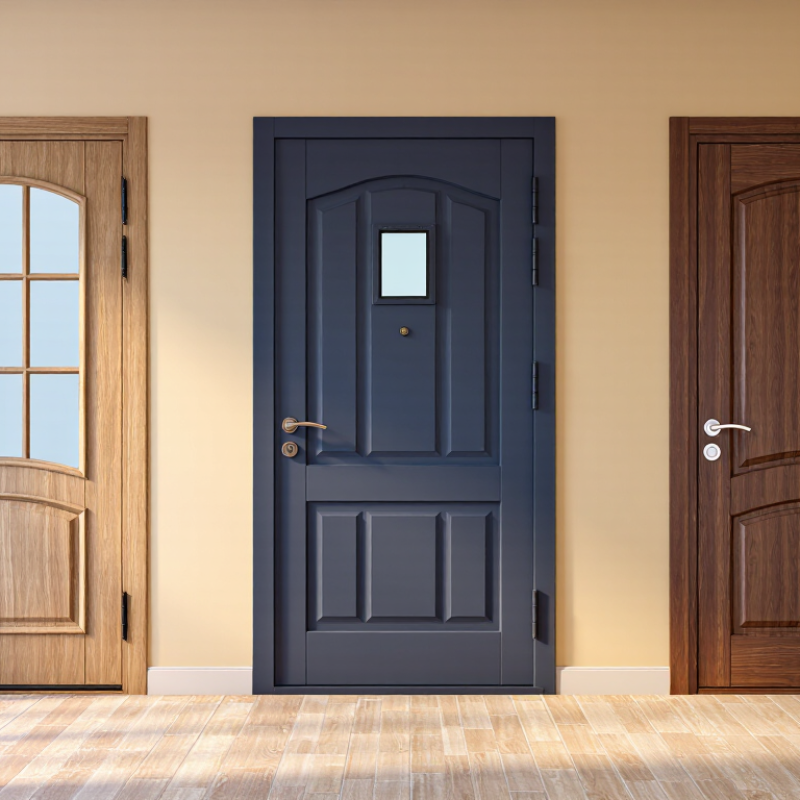
The strongest door is not always the heaviest. Steel offers excellent impact resistance and usually costs less than solid wood. However, it can dent and develop surface corrosion when water reaches damaged coatings. Fiberglass resists moisture, warping, and daily knocks. It can also reproduce a convincing wood grain. Solid wood provides warmth and repairable beauty, yet it needs careful sealing, especially near wet thresholds.

Steel offers impact resistance.
Fiberglass resists moisture and warping.
Solid wood provides warmth and repairable beauty.

Energy performance deserves equal attention. The 2021 International Energy Conservation Code lists maximum U-factors of 0.50 for opaque doors and 0.30 for many glazed door assemblies. Lower U-factors reduce heat transfer.

The National Fenestration Rating Council label also reports U-factor, solar heat gain coefficient, and visible transmittance. Check these figures instead of trusting vague claims. A tight frame matters too. The U.S. Department of Energy identifies weatherstripping and threshold adjustment as practical ways to limit air leakage.

Style still affects daily satisfaction. A narrow glass panel can brighten a dark entry, but it may increase solar heat gain.

Multi-point hardware improves perceived security, though poor installation can defeat its value. The 2024 Cost vs. Value Report recorded about 188% cost recouped for a steel entry-door replacement, but regional prices vary sharply. That figure is useful, not universal.

My own preference would change after seeing the wall exposure, coastal moisture, and repair history. A perfect material does not exist.

Which Door Types Suit Different Home Entrances?

The best home door in 2026 depends on the entrance, not only on appearance. Entrance conditions should lead the choice. For a covered front porch, an insulated wood or composite door can add warmth and reduce outdoor noise. Its frame must fit tightly, with durable weather seals around the edges. A steel door suits exposed areas and high-traffic households. It resists dents, but poor insulation can make the surface feel cold.

Sliding glass doors work well for patios because they save space and bring daylight indoors. Choose low-emissivity glass and a secure multi-point lock. A hinged French door offers a wider opening, but it needs enough clearance for furniture and foot traffic. For narrow side entrances, a single outswing door may be more practical. Garage-to-home doors should close automatically and resist fire, according to local building requirements.

Measure twice. It still happens.

An experienced installer should inspect the wall, threshold, drainage, and door swing before ordering. A low threshold can help wheelchair users, older residents, and children move safely, although it may require better water protection.

Look for tested air leakage, water resistance, and thermal performance rather than attractive claims alone. I would not choose a large glass panel for every front entrance; privacy, heat gain, and nighttime visibility can change the result. Even a well-rated door can perform poorly when the frame is uneven or the seal is damaged.

What Smart Features and Security Standards Matter Most?

The best 2026 home door is not simply the heaviest or most stylish. It should resist forced entry and support dependable daily access. The FBI recorded 847,522 burglary offenses in 2023, showing that physical protection still matters. A reinforced frame, long screws, protected hinges, and certified locking hardware deserve close attention. Look for products tested under applicable ANSI/BHMA standards, with clear performance documentation. In practice, I would inspect the strike plate before admiring the finish. A beautiful door can still have a weak frame.

Smart features should reduce risk, not create another target. Useful functions include encrypted communication, multi-factor authentication, temporary access codes, tamper alerts, and detailed activity logs. NISTIR 8259A recommends secure updating, device identity, and protection of stored data for connected products. Verizon’s 2024 Data Breach Investigations Report found human involvement in 68% of breaches, making stronger account controls especially important. Electronic access hardware should also carry appropriate independent safety testing, such as UL 294, while residential locks should meet relevant ANSI/BHMA requirements. Remote unlocking sounds convenient. I remain cautious. If the internet fails, the door should still open safely, record local activity, and allow a trusted physical key. Manufacturers should publish update periods and recovery procedures, although many still explain them poorly.

How to Choose a Door Based on Climate, Budget, and Maintenance

What Are the 2026 Best Home Doors?

The best home door depends on climate, budget, and maintenance tolerance. In cold regions, choose an insulated door with a low U-factor. In hot climates, consider a low solar heat gain coefficient. These ratings come from the National Fenestration Rating Council, not marketing claims. The U.S. Department of Energy reports that weatherization can save households about $372 annually on average. A properly sealed door supports those savings by reducing drafts around the frame.

Budget matters beyond the purchase price. A low-cost hollow door may suit a dry, mild climate, but it can swell near frequent rain. Fiberglass and insulated steel usually offer stronger weather resistance. Wood feels warm and authentic, yet it needs more regular sealing. The 2024 Cost vs. Value report from Remodeling magazine shows that entry-door replacement can recover much of its cost, although local labor prices vary. A common mistake is choosing a door slab without checking the threshold, hinges, and frame.

Tips: Test the seal with a thin sheet of paper. If it slips out easily, air may enter. Check drainage paths after heavy rain. For coastal or humid homes, inspect finishes twice yearly. Energy Star guidance also supports selecting doors with tested thermal performance. I would not ignore appearance, but maintenance often decides whether a beautiful door stays practical.

What Are the 2026 Best Home Doors? - How to Choose a Door Based on Climate, Budget, and Maintenance

The best exterior door depends on local weather, installation quality, security needs, and long-term upkeep. The comparisons below use typical residential entry-door characteristics and indicative U.S. installed price ranges; actual prices vary by size, glazing, hardware, labor, and regional conditions.

Door Type Typical Installed Cost (USD) Best Climate Conditions Energy-Efficiency Potential Maintenance Level Typical Service Life Main Advantages Important Limitations Best Choice For
Fiberglass $800–$3,500 Cold, hot, humid, coastal, and mixed climates ★★★★★
Excellent when paired with a tight frame, quality weatherstripping, and insulated glass.
Low Approximately 30 years or more with proper installation Resists moisture, warping, dents, and temperature changes; available in smooth or wood-grain finishes. Higher initial cost than basic steel; severe impacts can cause surface damage that is difficult to repair invisibly. Best all-around option for most climates
Insulated Steel $500–$2,000 Cold and mixed climates; suitable for many dry or moderate regions ★★★★☆
Very good thermal performance when the core is insulated and the frame is properly sealed.
Low to Medium Approximately 20–30 years Usually the most budget-friendly option; strong, secure, and relatively energy efficient. Exposed scratches or damaged paint can lead to rust, especially in humid or coastal environments. Best value for security and a limited budget
Solid or Engineered Wood $1,000–$4,000+ Dry, temperate climates and protected entrances ★★★☆☆
Can perform well, but results depend heavily on thickness, glazing, seals, and weather exposure.
High Approximately 20–40 years with regular care Natural appearance, strong design flexibility, good sound reduction, and easy refinishing. Can swell, shrink, warp, or deteriorate when repeatedly exposed to rain, direct sun, or high humidity. Best for appearance and traditional architectural styles
Aluminum $800–$3,000 Humid, wet, and coastal climates when corrosion-resistant finishes are used ★★★☆☆
Thermally improved designs perform better; basic metal frames can transfer heat or cold.
Low Approximately 20–30 years Lightweight, corrosion resistant when properly finished, and suitable for large glazed door systems. Conducts heat more readily than insulated fiberglass or wood; lower-quality finishes may fade or corrode. Best for modern designs and wet environments
uPVC / Vinyl $700–$2,500 Cold, humid, and mixed climates ★★★★☆
Good insulation because the frame has low thermal conductivity.
Low Approximately 20–30 years Does not rust or rot, requires little painting, and provides consistent thermal performance. Limited color and style options; can expand or become brittle with extreme heat or prolonged ultraviolet exposure. Best for low-maintenance homeowners
Composite $1,200–$4,000 Cold, hot, humid, and mixed climates ★★★★☆
Usually strong when the slab and frame are insulated and the seals remain intact.
Low to Medium Approximately 25–35 years Combines resistance to moisture and warping with a broad range of decorative finishes. Quality varies by construction; replacement parts and refinishing may be more specialized. Best premium compromise between appearance and durability
Glass-Panel Entry Door $1,000–$5,000+ Moderate climates or sheltered entrances; use high-performance glazing in extreme climates ★★★☆☆
Low-emissivity double or triple glazing can improve performance, but glass generally loses more heat than an insulated opaque panel.
Medium Approximately 20–30 years, depending on glazing and hardware Provides daylight, visual openness, and strong design appeal. More expensive; glazing can reduce privacy and may require more frequent cleaning or seal replacement. Best when natural light is a priority
Cost ranges are broad planning estimates for a standard residential exterior door with professional installation in the United States. For energy performance, compare the complete door assembly—including slab, frame, glazing, threshold, and weatherstripping—rather than judging the material alone. Lower U-factor indicates better insulation.