Top 10 Energy Efficient Sliding Doors for Your Home?
In today’s environmentally conscious world, homeowners seek ways to enhance energy efficiency. Energy efficient sliding doors are key components in achieving this goal. They not only improve your home's aesthetic but also reduce energy consumption significantly.
Choosing the right sliding doors requires an understanding of various features. From double-glazed glass to advanced insulation, these doors utilize technology to minimize energy loss. However, not every door is created equal. Some may promise efficiency but falter in real-world conditions. It's essential to align choices with specific needs and climate.
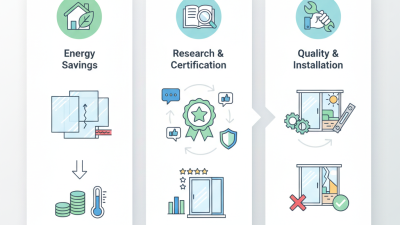
Investing in energy efficient sliding doors can improve comfort and lower utility bills. But potential buyers should be aware of the varying degrees of efficiency. Conducting research, reading reviews, and consulting professionals are vital steps. The choices are vast; weighing pros and cons is necessary for a wise investment.
Understanding Energy Efficiency in Sliding Doors
Energy efficiency in sliding doors plays a crucial role in modern home design. According to the U.S. Department of Energy, energy-efficient sliding doors can reduce heating and cooling costs by up to 20%. This is especially important for homes located in extreme climates. By utilizing low-emissivity (Low-E) glass, these doors can minimize heat transfer. Low-E coatings reflect infrared light, keeping homes warmer in winter and cooler in summer.
When selecting sliding doors, consider their insulation properties. The National Fenestration Rating Council (NFRC) provides standardized ratings for energy efficiency. These ratings include U-factor, solar heat gain coefficient, and visible transmittance. A lower U-factor indicates better insulation. Meanwhile, a high solar heat gain coefficient can help reduce energy costs by utilizing sunlight effectively. Many homeowners overlook these details, which can lead to poor decisions and higher energy bills.
Choosing energy-efficient sliding doors also contributes to sustainability. According to the Environmental Protection Agency, buildings account for 40% of U.S. energy consumption. Opting for well-rated sliding doors can aid in reducing this figure. While many options are available, understanding the impact of these choices remains essential. It can be challenging to find the perfect balance between aesthetics and efficiency. Unfortunately, many homeowners prioritize style over function, ultimately leading to regrets.
Top 10 Energy Efficient Sliding Doors for Your Home
| Model |
U-Factor |
Solar Heat Gain Coefficient |
Energy Star Certified |
Warranty |
| Sliding Door Model A |
0.26 |
0.22 |
Yes |
Limited Lifetime |
| Sliding Door Model B |
0.30 |
0.24 |
Yes |
20 Years |
| Sliding Door Model C |
0.22 |
0.18 |
Yes |
Limited Lifetime |
| Sliding Door Model D |
0.28 |
0.20 |
Yes |
10 Years |
| Sliding Door Model E |
0.25 |
0.15 |
Yes |
15 Years |
| Sliding Door Model F |
0.33 |
0.25 |
No |
5 Years |
| Sliding Door Model G |
0.24 |
0.19 |
Yes |
Limited Lifetime |
| Sliding Door Model H |
0.27 |
0.23 |
Yes |
25 Years |
| Sliding Door Model I |
0.29 |
0.21 |
Yes |
20 Years |
| Sliding Door Model J |
0.23 |
0.17 |
Yes |
30 Years |
Key Features to Look for in Energy Efficient Sliding Doors
When selecting energy-efficient sliding doors for your home, consider the materials used. High-quality frames made from fiberglass or vinyl provide better insulation compared to traditional materials like aluminum. Look for options with dual or triple glazing. This can greatly reduce heat transfer. Low-E coatings on the glass can also enhance energy efficiency by reflecting infrared light.
Another important feature is the door's seal quality. Good weatherstripping prevents drafts and moisture infiltration. Ensure that moving parts function smoothly without gaps. Also, pay attention to the door's energy rating. This rating indicates the energy performance and can guide your choice. It may surprise you how much difference a small detail can make.
Accessibility is also essential. If the door is difficult to operate, it may discourage use. Reflect on whether the design suits your daily needs. The combination of durability and functionality will lead to long-term satisfaction. Taking the time to study all these elements can be daunting but is absolutely necessary for a smart purchase.
Top Materials for Energy Efficient Sliding Door Construction
Choosing an energy-efficient sliding door involves understanding the materials used in its construction. Various options are available, each offering unique benefits. For instance, fiberglass is a popular choice. It provides excellent insulation, helping maintain temperature control in your home. However, some users find that it can be more expensive upfront.
Vinyl sliding doors are another great option. They are often affordable and have good thermal properties. Their ability to resist moisture is a plus, but the color choices may be limited. Aluminum sliding doors are strong and durable, but they typically lack the energy efficiency that other materials offer. However, advancements in thermal break technology are improving their performance.
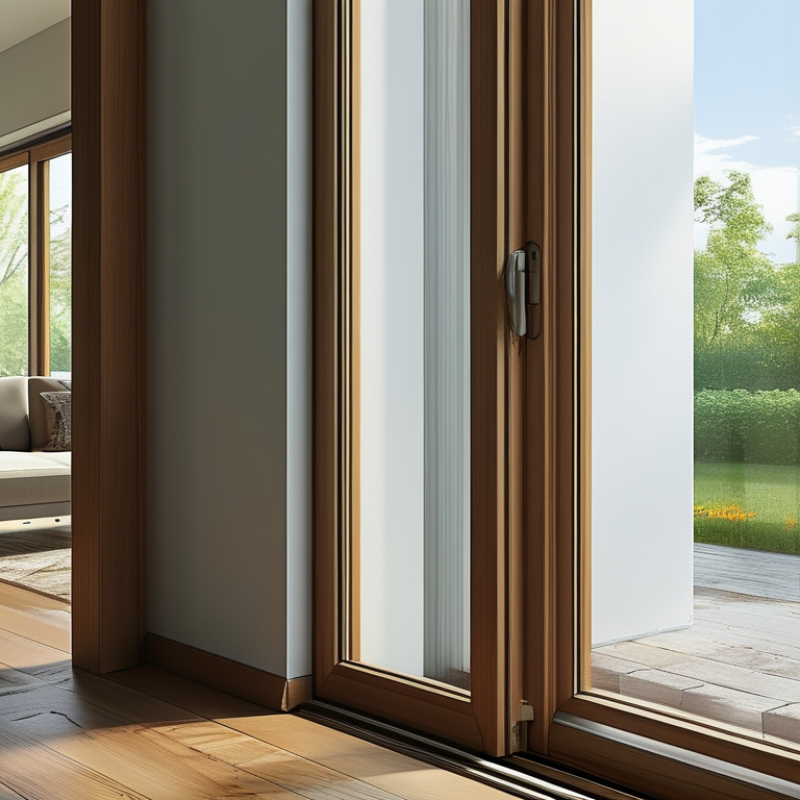
Wood is another classic material. It has a natural beauty and excellent insulation properties. Yet, wood requires regular maintenance to prevent warping or rot. Selecting the right material is crucial. Each option has strengths and weaknesses. The choice can impact your home's energy efficiency and aesthetic appeal. Take time to weigh these factors carefully.
Review of the 10 Best Energy Efficient Sliding Doors
Energy-efficient sliding doors are essential for modern homes. They reduce energy costs while enhancing aesthetics. According to the U.S. Department of Energy, doors can account for up to 20% of a home's energy loss. Selecting the right doors can improve insulation dramatically.
When choosing sliding doors, consider materials like Low-E glass. This type minimizes heat transfer. Furthermore, frames made from fiberglass or vinyl offer better thermal performance than traditional wood or aluminum. A study by the National Fenestration Rating Council shows that high-performance doors can reduce energy bills by up to 15%.
It's important to assess how the doors fit into your home environment. Sometimes, even the best doors may not perform well if not installed correctly. Additionally, look for features like weather stripping and multi-point locking systems. Proper maintenance plays a crucial role in keeping the energy-efficient properties intact. Neglecting these aspects could lead to inefficiencies over time.
Energy Efficiency Ratings of Popular Sliding Doors
Maintenance Tips to Enhance Sliding Door Efficiency
Maintaining sliding doors is crucial for energy efficiency. Regularly inspecting the tracks can prevent dirt buildup, which hinders movement. Cleaning the tracks and rollers with a damp cloth ensures smooth operation. Make sure there is no debris in the sliding mechanism. This step can significantly enhance door performance.
Weather stripping plays a vital role in insulation. Over time, weather strips can wear down, leading to drafts. Check for cracks or gaps. Replacing old stripping helps maintain a stable indoor temperature, reducing energy consumption. It's a small task, but it can yield substantial energy savings.
Consider lubrication as part of your maintenance routine. A light application of lubricant on the rollers can ensure they glide effortlessly. However, too much lubricant can attract dust and debris. Balance is key. Sometimes, a little too much of a good thing can lead to complications. Regular upkeep creates a reliable barrier against energy loss.