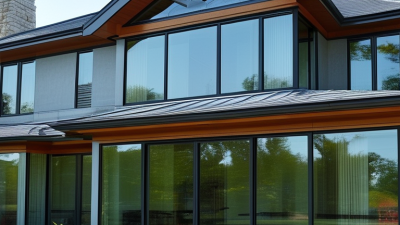
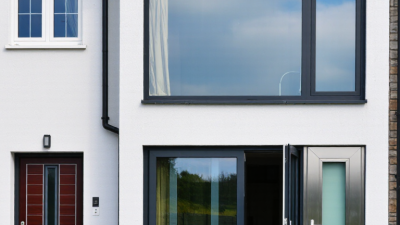
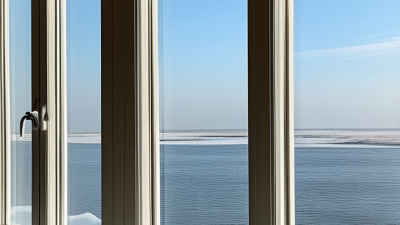
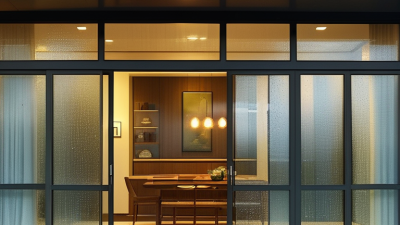
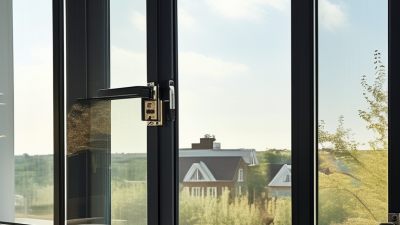
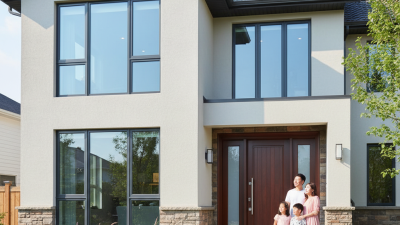
In 2026, choosing the best home windows and doors means looking beyond sleek frames and showroom displays. The right choice should suit your climate, your home’s design, and the way each room is used. A south-facing living room may need carefully selected glazing to manage strong afternoon sun. A drafty back entrance may benefit more from a well-sealed, insulated door than from a striking finish.
Building-science expert Dr. Joseph Lstiburek’s work highlights an important principle: a window’s performance depends on its installation and water-management details, not just its glass. That is a useful lens for comparing today’s options. Look at frame materials, glazing, air leakage ratings, hardware, and the quality of the installer’s plan. Check how rain will drain around the opening. Small details matter.
This guide explores popular 2026 choices, from low-maintenance vinyl and durable fiberglass to wood frames and energy-efficient glazing. It also considers entry, patio, and sliding doors, with practical trade-offs in cost, upkeep, comfort, and appearance. No single product suits every home. And that is easy to forget.
A high-performance window can still disappoint if it is poorly sized or installed. Product labels help, but they cannot replace a careful assessment of your house and local weather. Use the comparisons ahead to narrow your options, ask informed questions, and choose home windows and doors that work in everyday conditions—not only in a catalog photo.
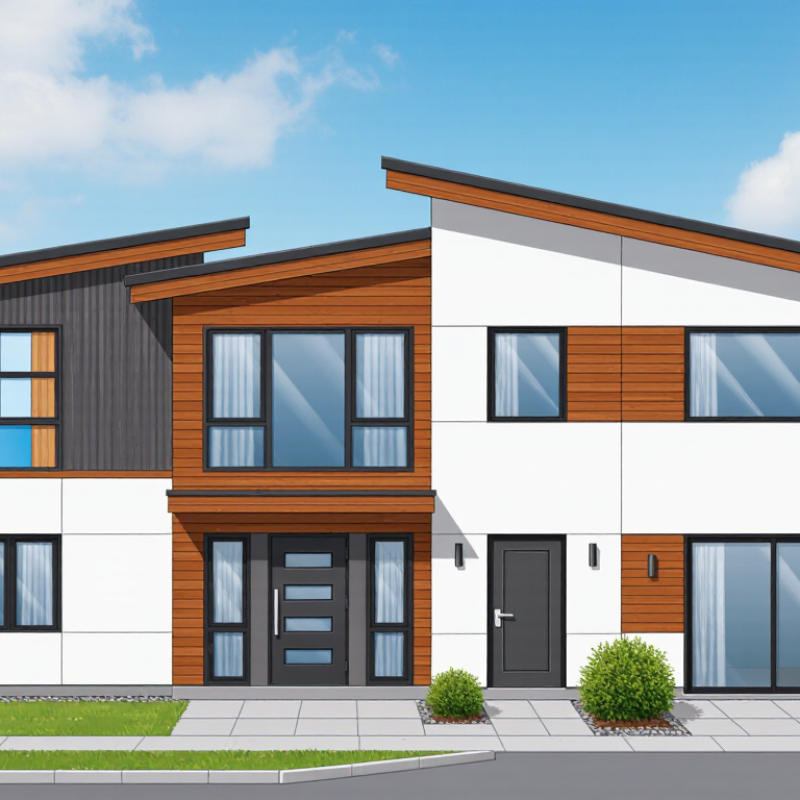
In 2026, evaluating home windows and doors means looking beyond frame style and glass appearance. The U.S. Department of Energy’s Energy Saver guidance estimates that windows account for about 25–30% of home heating and cooling energy use. That makes thermal performance a practical starting point. Check the National Fenestration Rating Council label for U-factor and solar heat gain coefficient; lower U-factor generally means less heat transfer, while the best solar gain depends on climate and orientation.
Performance is not only about energy. Review air leakage, water resistance, structural ratings, and the installer’s measurements. A poorly fitted unit can leave a cold draft beside the sofa, even when its glass has strong ratings. Ask for documentation tied to the actual product configuration, including glazing, frame, and operating style. Ratings from a fixed window may not apply to a sliding or hinged version. Local exposure matters, too: a wind-driven rain test is more relevant on a storm-facing wall than on a sheltered porch. I would not choose on one number alone.
Tips: Photograph the existing opening and note condensation, drafts, and sticking hardware before requesting quotes. Compare like-for-like NFRC values and written installation details. Small gaps matter. Ask who seals the sill and checks drainage; those steps are easy to overlook.

Double-hung windows suit traditional homes and rooms where easy cleaning matters. Both sashes move, allowing flexible ventilation, while tilt-in designs can simplify cleaning from indoors.
Casement windows open outward on a crank and catch side breezes well. They work especially well above kitchen counters, where reaching a sliding sash can be awkward. Small rooms benefit.
Sliding windows need no outward clearance, making them practical beside patios or narrow walkways. Their wider glass panels can also frame a garden view, though tracks need regular cleaning.
Awning windows are hinged at the top and can provide ventilation during light rain. They are useful in bathrooms or above larger fixed windows.
Picture windows stay closed, making them a strong choice for daylight and uninterrupted views, but they cannot ventilate.
ENERGY STAR estimates that certified replacement windows can save an average of 12% on household energy bills compared with single-pane windows; actual savings depend on climate and installation. The 2024 Cost vs. Value report places national vinyl-window replacement cost recovery at about 69.7%. That figure measures resale value, not comfort or energy savings.
Style matters, but so do glazing, frame condition, and a careful installation. A beautiful window can still be the wrong choice.
The right exterior door should suit the home’s weather, layout, and daily traffic. Fiberglass doors work well in exposed entries because they resist moisture and need relatively little upkeep. They can also mimic wood grain. Still, the surface may not feel as substantial as real timber. That detail matters to some homeowners.
Steel doors are practical for busy entrances and can provide a solid, insulated barrier when properly fitted. Check the frame and weather seals, not just the door slab; gaps can let in drafts. Wood doors bring warmth to traditional homes, especially beneath a covered porch. They need more frequent attention, since sun and rain can wear the finish. Measure twice.
For patios, sliding glass doors suit narrow rooms because their panels move without swinging into furniture. French doors create a wider opening, but need clear floor space and careful measurements. In colder or windier locations, a storm door can add a layer of protection, though it may be unnecessary on a sheltered entry. The best choice is not always the most decorative one. Check the opening, local exposure, and maintenance you can realistically handle before choosing.
| Exterior door type | Homes it suits | Key advantages | Trade-offs and upkeep | What to check before buying |
|---|---|---|---|---|
| Fiberglass entry door | Most home styles, especially homes exposed to changing weather | Resists rust and rot; insulated models can help limit heat transfer; finishes can imitate wood grain | Usually costs more than basic steel; surface damage may require specialist repair | Check the frame, weatherstripping, glazing options, and the door’s tested energy and impact ratings |
| Insulated steel entry door | Budget-conscious homes, side entrances, and utility areas | Often offers strong value, a rigid surface, and an insulated core | Dents can be difficult to repair; scratched coatings may expose metal to corrosion | Look for a durable finish, a well-sealed frame, and protection suited to local weather exposure |
| Solid wood entry door | Traditional, craftsman, and custom-designed homes | Natural appearance; can be refinished; available in varied designs and wood species | Requires periodic finish maintenance; moisture and temperature changes can cause movement | Confirm weather exposure, finish requirements, door construction, and the quality of the sill and seals |
| Wood-clad entry door | Homes seeking a wood interior appearance with a more weather-resistant exterior surface | Combines a finished wood interior with an exterior cladding layer designed to reduce exposure of the wood | Costs and maintenance vary by cladding and construction; damage can allow moisture behind the outer layer | Check cladding material, drainage details, finish warranty, and suitability for the local climate |
| Sliding glass patio door | Contemporary homes, patios, and rooms where a swinging door would use valuable floor space | Provides a broad glazed opening and does not need swing clearance | Track and rollers need cleaning and occasional adjustment; glass can increase heat gain or loss if poorly selected | Compare glass ratings, air leakage performance, locking hardware, and drainage at the sill |
| Hinged French patio doors | Traditional and transitional homes with enough space for door swings | Creates a wide opening when both panels are open; offers a classic, balanced appearance | Needs clear swing space; seals and alignment require attention over time | Confirm the active-panel arrangement, threshold design, security hardware, and weather seals |
| Aluminum-framed glazed door | Modern homes with large glass openings and slim frame preferences | Strong, lightweight frames can accommodate large glazed panels and narrow sightlines | Standard aluminum conducts heat readily; thermal-break construction improves insulation but may add cost | Check for a thermal break, appropriate insulated glazing, weather ratings, and local code compliance |
Performance depends on the complete door system, including the frame, glazing, seals, threshold, and installation. Compare tested ratings and local building-code requirements when selecting a door.
In 2026, compare windows by measured performance, not frame material alone. The U.S. Department of Energy estimates that heat gain and loss through windows account for 25–30% of home heating and cooling energy use. That makes the NFRC label useful: its U-factor indicates heat transfer, while its Solar Heat Gain Coefficient (SHGC) measures incoming solar heat. Lower is not always better. Cold, sunny rooms may benefit from some solar gain; shaded, hot rooms often need less.
Materials have different trade-offs. Vinyl resists moisture and needs little upkeep, while wood offers natural insulation but needs regular care. Fiberglass frames are dimensionally stable, though usually pricier. ENERGY STAR reports that certified windows can reduce household energy bills by an average of about 12%; actual savings vary by climate, home, and existing windows. Small print matters.
For doors, check the whole assembly: frame, weather seals, glazing, and locking hardware. A solid, well-fitted door can still leak air around a worn threshold. For glass near an entry, laminated glazing can stay bonded after impact; reinforced strike plates and properly anchored hinges also help resist forced entry. Ask for tested performance ratings and installation details, not just a material claim. Ratings help. Yet no label replaces careful fitting. I would inspect the corners and seals after installation, too—easy to overlook, and not always done well.
Choosing windows and doors starts with how each room is used, not just with a style photo. In a sunny living room, notice whether afternoon glare fades rugs or warms the sofa. South- and west-facing glass may need shade or glazing that limits solar heat. Colder, shaded rooms may benefit from better insulation. Check the full assembly: glass, frame, seals, and installation all influence comfort. A strong product rating cannot correct a poorly sealed opening. Ask how the installer manages flashing and drainage. Small details matter. Also consider ventilation and emergency exit needs where relevant.
For doors, think about daily traffic, weather exposure, threshold height, and available swing space. A heavy door may feel sturdy but prove awkward in a narrow entry. Compare energy ratings suited to your climate, and look closely at seals and locking hardware. Request samples if possible; colors and finishes can look different in a real room than on a screen. There is no perfect choice. The most attractive option may not suit a damp, windy entrance, and the practical choice may feel less exciting. That trade-off deserves a pause before ordering.
How to choose energy-efficient windows and doors for your home
How to use this chart: These are ENERGY STAR Version 7.0 maximum U-factor criteria for residential windows by U.S. climate region. A lower U-factor means less heat transfer through the window. When comparing windows or doors, check the product’s NFRC label, consider your local climate and solar heat gain, and choose products that meet local requirements.
Source: ENERGY STAR residential windows and doors criteria. Criteria and product performance may vary by product and location.
Opening Hours
Monday: 8:00 AM – 4:00 PM
Tuesday: 8:00 AM – 4:00 PM
Wednesday: 8:00 AM – 4:00 PM
Thursday: 8:00 AM – 4:00 PM
Friday: 8:00 AM – 4:00 PM
Saturday: Closed
Sunday: Closed