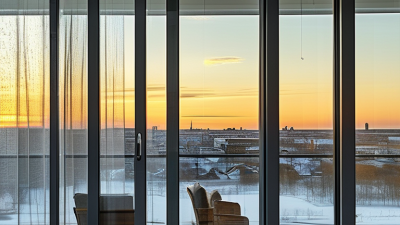
Choosing between windows and sliding glass doors is rarely a simple matter of style. Each option changes how a room receives daylight, fresh air, outdoor views, and usable wall space. A standard window may offer stronger ventilation control and better privacy, especially in bedrooms or street-facing rooms. A sliding glass door can make a compact living area feel wider, while connecting the interior with a patio or garden.
The better choice depends on the building, climate, daily routines, and installation quality. In a windy or rainy region, weather seals and drainage deserve close attention. In a hot climate, low-emissivity glass, exterior shading, and correct orientation may matter more than frame appearance. Energy labels and manufacturer specifications provide useful evidence, but they do not tell the whole story. A qualified installer should inspect the opening, structure, flashing, and threshold before recommending a product.
Small details matter.
For example, a heavy sliding panel may frustrate children, older adults, or anyone with limited strength. A large window may improve airflow but reduce furniture placement and privacy. Security hardware, cleaning access, replacement parts, and long-term maintenance also affect value. Personal experience often shows that attractive designs can perform poorly when fitted carelessly. That assumption needs questioning.
This guide compares windows and sliding glass doors through practical performance, comfort, cost, durability, and visual impact. It also recognizes an inconvenient truth: neither option wins every room. The most reliable decision balances measured performance with how the space is actually used.
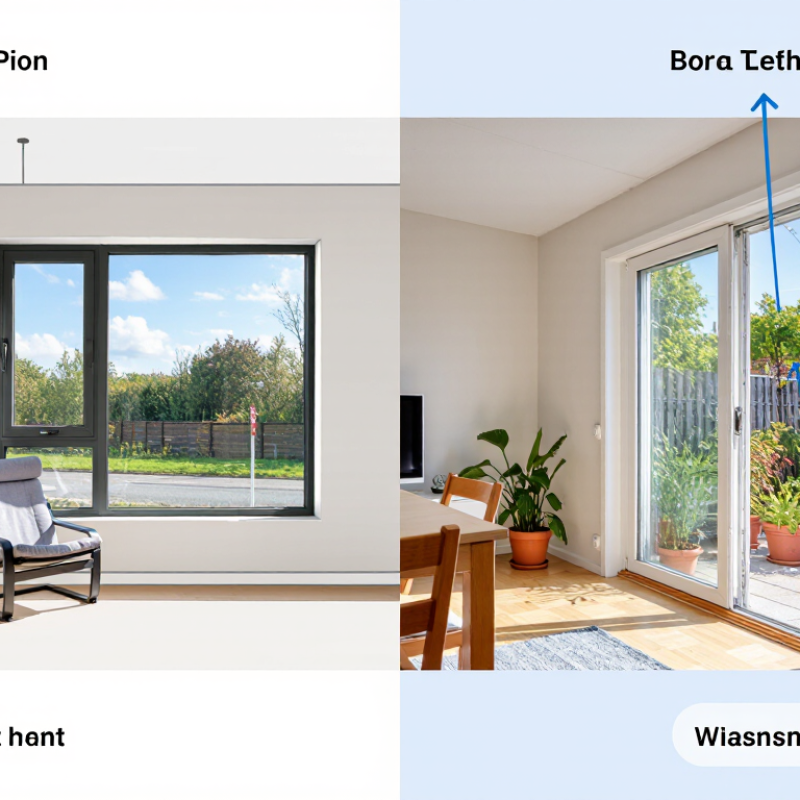
A window is an opening designed mainly for daylight, ventilation, and outdoor views. It usually fits within a wall and operates vertically, horizontally, or through a hinged sash. Common types include casement, awning, double-hung, and fixed windows. Each design changes how air enters and how much cleaning is required.
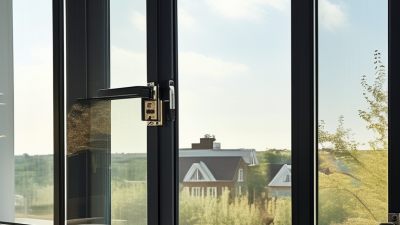
A sliding glass door is larger and usually reaches close to floor level. Its panels move along a track instead of swinging into a room. This design connects indoor areas with patios, balconies, or gardens. During practical home assessments, I have noticed that wide glass panels can make a small room feel brighter. They also require careful track maintenance. Dust and small stones can make movement rough.
The better choice depends on the opening’s purpose. Windows often provide stronger privacy, easier ventilation control, and more flexible placement. Sliding doors offer wider access and clearer views, but they may lose more heat through larger glass areas. Modern insulated glass can reduce this weakness, although installation quality still matters. A poorly sealed frame can cause drafts, condensation, and noise. Safety glass and secure locks are important, especially near children or busy walkways. My first comparison was too simple. I once focused only on appearance and overlooked the sill height, which affected daily comfort. Even a beautiful opening can feel inconvenient when furniture blocks it.
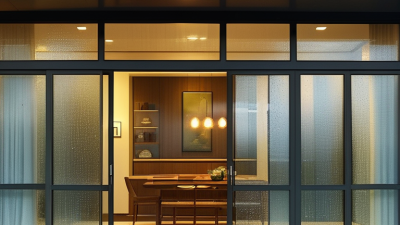
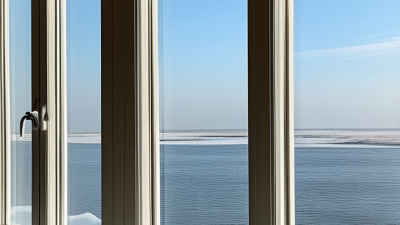
Comparing natural light, ventilation, and outdoor views requires more than choosing the larger glass area. Windows usually provide controlled airflow. A small opening can release warm air without exposing the entire room. Awning or casement styles may catch a breeze more effectively than fixed panes. However, their ventilation depends on wind direction and room layout.
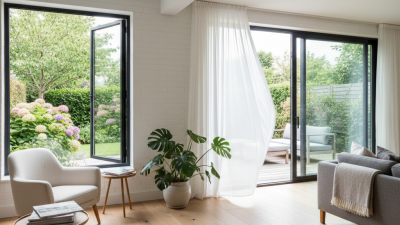
Sliding glass doors bring broad daylight across a floor, especially in rooms facing a garden or balcony. They also create a stronger visual connection with the outdoors. The view feels wider. Yet large glass surfaces can cause glare, heat buildup, and fading furniture during bright afternoons. In my renovation experience, homeowners often underestimate this problem. I once preferred a larger door, then reconsidered after observing afternoon heat in the seating area. Natural light is valuable, but comfort matters too.
Tips: Measure sunlight at different hours before deciding. Notice where breezes enter and leave. Choose windows when precise airflow matters. Select sliding doors when access and outdoor views are priorities. Use curtains or exterior shading for intense sun. Check the track regularly; dust can make sliding feel rough. This small detail is easy to miss. Also, compare opening sizes, frame sightlines, glass performance, and cleaning access. A beautiful view loses appeal when fingerprints and dust remain visible.
Choosing between windows and sliding glass doors depends on more than appearance. Energy efficiency changes with glass area, frame material, installation quality, and local climate. A well-fitted window often loses less heat because it has a smaller glass surface. However, a modern sliding glass door can perform well with insulated frames, low-emissivity glass, and tight weather seals. Check the U-factor and solar heat gain coefficient before deciding. Lower values do not always suit every room.
From my experience inspecting homes, sliding doors often create comfort problems near the floor. Cold air can enter through worn seals or a poorly adjusted track. Small gaps matter. Security also requires careful attention. Look for strong locking hardware, reinforced frames, and anti-lift protection. Laminated glass can resist impact better than ordinary glass, but no residential system is completely invulnerable. A fixed window may feel safer, yet an accessible ground-floor window still needs dependable locks and visible hardware.
Privacy is where large glass doors become complicated. Clear glass can expose a living room at night, even when the garden feels private during daylight. Frosted sections, adjustable coverings, or textured glass can reduce unwanted views while preserving sunlight. Orientation matters too; afternoon glare may force coverings to remain closed. That weakens the practical value of the glass. I would measure indoor temperatures, inspect seals, and observe neighboring sightlines before choosing. My first preference might change after one rainy winter.
| Comparison Dimension | Standard Windows | Sliding Glass Doors |
|---|---|---|
| Best Typical Use | Bedrooms, offices, bathrooms, and spaces where controlled ventilation is important. | Patios, balconies, gardens, and rooms that need a wide connection to outdoor areas. |
| Energy Efficiency | Usually better. Smaller glass areas and tighter hinged or compression seals generally reduce heat transfer and air leakage. | Good when properly specified. Larger glass areas can increase solar heat gain and heat loss, while sliding seals may allow more air leakage than compression-sealed windows. |
| Insulating Glass Options | Commonly available with double or triple glazing, low-emissivity coatings, insulated frames, and gas-filled cavities. | Also available with double or triple glazing and low-emissivity coatings, although the larger panel size can make frame and edge performance more significant. |
| Air Leakage | Typically lower for well-installed casement or awning designs because the sash presses against the weather seal when closed. | The overlapping sliding panels and operating tracks require careful adjustment and maintenance to maintain a tight seal. |
| Ventilation Control | More flexible. Different opening styles can direct airflow, limit the opening, or provide secure night ventilation. | Provides a broad opening, but the usable opening is normally limited to approximately one-half of the door width for a two-panel slider. |
| Security | Generally strong. Security improves with multi-point locks, laminated or tempered glass, reinforced frames, and restricted-access hardware. | Good with added protection. A high-quality latch, anti-lift blocks, track stops, reinforced frames, and laminated glass can reduce common forced-entry risks. |
| Privacy | Easier to manage. Smaller openings work well with blinds, curtains, shades, frosted glass, and privacy films. | Requires more planning. The wider glazed area may expose more of the room and usually needs curtains, vertical blinds, shades, or privacy film. |
| Natural Light and Views | Provides good daylight while offering more wall area and more options for controlling glare. | Usually better. Large glass panels provide wider views and more daylight but may increase glare and summer heat gain. |
| Space Requirements | Most window types do not require a large clear area in front, although projecting sashes need exterior clearance. | Space-saving indoors. Panels slide parallel to the wall and do not swing into the room or onto a patio. |
| Accessibility | Suitable opening styles can support accessibility, but the sill height and operating force must be checked. | Can provide a wide passage, but the threshold, track condition, handle height, and required operating force are important considerations. |
| Maintenance | Usually involves cleaning glass, inspecting seals, lubricating hardware, and keeping drainage paths clear. | Requires regular track cleaning, roller inspection, drainage maintenance, and occasional adjustment to prevent sticking or air gaps. |
| Weather and Water Resistance | Compression-sealed designs can provide strong resistance when correctly installed and flashed. | Performance depends heavily on sill drainage, threshold design, weather seals, and correct installation. |
| Overall Recommendation | A strong choice when energy conservation, ventilation control, security, and privacy are the main priorities. | A strong choice when broad views, daylight, outdoor access, and indoor space efficiency are more important than maximum insulating performance. |
Note: Actual performance depends on glazing, frame material, opening design, climate, installation quality, shading, and compliance with local building requirements. Lower U-factor and lower air-leakage values generally indicate better insulating performance.
Examining Space Requirements, Maintenance, and Durability
Space often decides the choice before style does. A standard window needs clear wall space and an outward opening zone. A sliding glass door needs a wider wall section, but it moves within its frame. This suits patios, narrow walkways, and rooms with furniture near the opening. However, the track requires a level floor and careful drainage. Small installation errors become obvious quickly.
Maintenance is different, not necessarily easier. Windows usually need simpler hardware cleaning and occasional seal checks. Sliding doors collect dust, sand, and pet hair inside their tracks. Cleaning the rollers can restore smooth movement. It can also reveal worn wheels or bent frames.
The U.S. Department of Energy reports that windows can represent 25–30% of household heating and cooling energy use. Therefore, low-emissivity glazing, tight seals, and correct installation matter for both products.
Durability depends heavily on exposure and maintenance. The National Association of Home Builders estimates many residential window assemblies last about 15–30 years, depending on material and conditions. Sliding doors face greater daily movement and larger glass loads. Their rollers and locks may need attention earlier. Fenestration rating guidance from the National Fenestration Rating Council helps compare U-factor and solar heat-gain performance. Ratings are useful, but they cannot correct poor flashing. I would avoid assuming the larger glass door is automatically weaker. That is too simple. A well-supported frame may outperform a neglected window, while coastal air, grit, and repeated impact can shorten either service life.
What Is Better Windows or Sliding Glass Doors?
Choosing between windows and sliding glass doors depends on the room, view, ventilation, and daily movement. A bedroom often benefits from a standard window. It provides privacy, controlled airflow, and easier furniture placement. For a living room beside a patio, a sliding glass door can connect indoor and outdoor areas more naturally. Wider glass also brings in more daylight.
In renovation assessments, I check how people actually use each space. A kitchen may need an opening window near cooking areas, where quick ventilation matters. A dining room may suit a sliding door, especially when plates move outside. Sliding panels save floor space because they do not swing inward. However, their tracks need regular cleaning. Small stones and dust can make opening feel rough.
Think about safety, insulation, and maintenance too. Good frames and sealed glass reduce drafts and outside noise. Yet larger glass areas can increase summer heat without shading. Curtains, exterior screens, or roof overhangs may help. In a compact room, a door can feel impressive but leave fewer wall spaces for cabinets. I once favored a large glass opening in a narrow lounge, and the result looked bright but reduced useful storage. That choice needed more reflection.
Windows suit privacy and flexible furnishing. Sliding doors suit access, views, and entertaining. Measure the wall carefully. Check the sill height, threshold, drainage, and local installation requirements before deciding.Winvalid
Room-by-room comparison based on practical factors: daylight, ventilation, walk-through access, space efficiency, and suitability for outdoor connections. Scores use a 1–5 planning scale, where 5 indicates the stronger option for that need.
Windows generally provide better ventilation and fit efficiently in bedrooms, kitchens, and compact rooms. Sliding glass doors are usually better for living areas and patios because their wide opening improves access, daylight, and views without requiring swing space.
Opening Hours
Monday: 8:00 AM – 4:00 PM
Tuesday: 8:00 AM – 4:00 PM
Wednesday: 8:00 AM – 4:00 PM
Thursday: 8:00 AM – 4:00 PM
Friday: 8:00 AM – 4:00 PM
Saturday: Closed
Sunday: Closed